
Polycystic ovary syndrome (PCOS) affects about 1 in 10 women of reproductive age. The condition stems from a hormone imbalance and can cause irregular periods, acne, excess facial hair, thinning hair, weight gain, and even fertility issues.
While PCOS can impact many areas of health, lifestyle changes—especially regular exercise—play a powerful role in managing symptoms.
“Exercise is very important for women with PCOS,” says Tara Scott, MD, chief medical officer and founder of Revitalize Medical Group. “It helps regulate insulin, improve metabolic health, and may even reduce the need for certain medications over time.”
So, why does movement matter so much—and what’s the best way to exercise if you have PCOS? Here’s what experts recommend.
Why Exercise Helps With PCOS
One of the main drivers of PCOS symptoms is insulin resistance, a condition where the body doesn’t respond well to insulin and struggles to process blood sugar. Left unchecked, this can lead to prediabetes or type 2 diabetes. Exercise helps improve how your body uses glucose, lowering insulin resistance.
Better insulin control may also lower testosterone levels, which are often elevated in PCOS. That can help with symptoms such as acne, hair thinning, and excess facial hair.
On top of that, regular activity supports healthy weight management—important since PCOS can increase the risk of high blood pressure, high cholesterol, sleep apnea, heart disease, and stroke.
“Women with PCOS should consider exercise part of their prescription,” says Dr. Scott.
5 Expert-Backed PCOS Exercise Tips
1. Make Consistency Your Goal
Aim for at least four workout sessions per week, lasting 30 minutes each. Keeping movement part of your routine matters more than going all-out once in a while.
2. Strength Train for Endurance
Lifting weights doesn’t have to mean bulking up. Instead of heavy lifting, focus on lighter weights or resistance bands for higher reps—10 to 20 per set. This style of training builds strength without spiking testosterone.
3. Try HIIT for Cardio
High-intensity interval training (HIIT) is especially effective for improving insulin resistance. Alternate between short bursts of effort and recovery—for example, 30 seconds of running followed by 30 seconds of walking, repeated for 10 to 20 rounds.
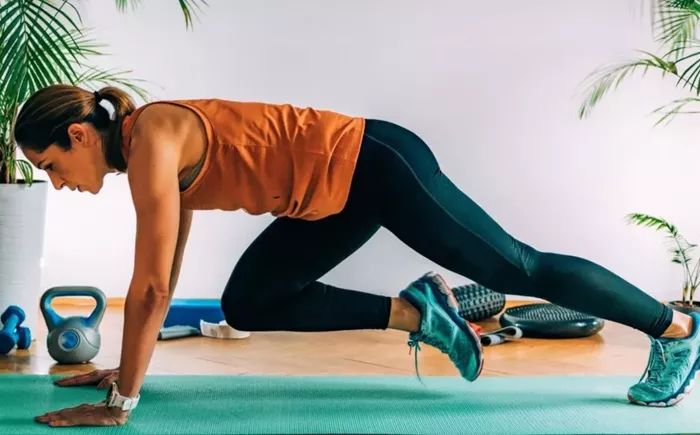
At home, you can also rotate through moves like jumping jacks, pushups, bodyweight squats, planks, and skaters in quick intervals.
4. Keep Your Routine Balanced
Too much intense exercise can sometimes disrupt your menstrual cycle. A balanced plan works best: mix three days of cardio (like HIIT) with two days of resistance training each week.
5. Start at Your Own Pace
If you’re new to exercise, don’t stress about doing it all at once. Begin with something you enjoy—walking, swimming, or recreational sports. The key is finding movement you’ll stick with.
The Bottom Line
Exercise won’t cure PCOS, but it can significantly improve symptoms, regulate hormones, and protect your long-term health. The best workout plan is one you enjoy and can maintain consistently—so start small, build up, and make movement part of your lifestyle.
YOU MAY ALSO LIKE
