
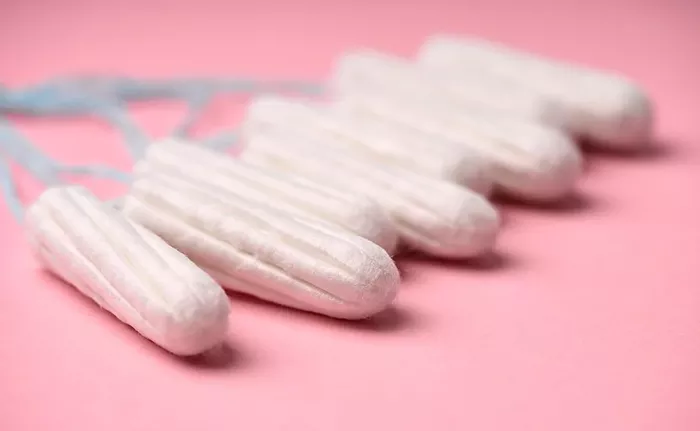
A new study has raised concerns about the safety of tampons, revealing traces of toxic metals including lead and arsenic in several popular brands. Published in Environment International, the research examined 18 product lines from 14 top-selling tampon brands across the US, UK, and Greece.
What the study found
Researchers detected 16 metals in total. Inorganic tampons tended to have higher levels of lead, while organic varieties contained more arsenic. The presence of these metals has sparked questions about potential health risks for menstrual product users.
Dr. Jamie Alan, associate professor of toxicology at Michigan State University, emphasizes that while the metals are detectable, “we don’t yet know exactly how much the body absorbs.” The study highlights a knowledge gap rather than an immediate health crisis.
Are tampons safe to use?
Experts stress that there is no need for panic. The vaginal lining can absorb chemicals, but current evidence does not confirm that the levels of metals found cause harmful effects.
Dr. Christine Greves, a gynecologist at the Winnie Palmer Hospital for Women and Babies, urges caution but not alarm: “Further research is needed before any firm conclusions can be drawn. Tampon users should stay informed but not be scared.”
Lead author Dr. Jenni Shearston echoes this, recommending that consumers consider safety when choosing menstrual products while scientists continue to investigate potential risks.
Alternatives and precautions
For those concerned, menstrual cups and other products may serve as alternatives to tampons. Experts also advocate for increased transparency and stricter testing by manufacturers to make menstrual products safer.
As the first study to measure metal levels in tampons, these findings mark an important step in understanding menstrual product safety—but more research is needed before any definitive guidance can be given. Women are encouraged to stay informed and make choices that prioritize their menstrual health.
READ MORE
Breastfeeding Safe After Breast Cancer, May Support Postpartum Mental Health
