
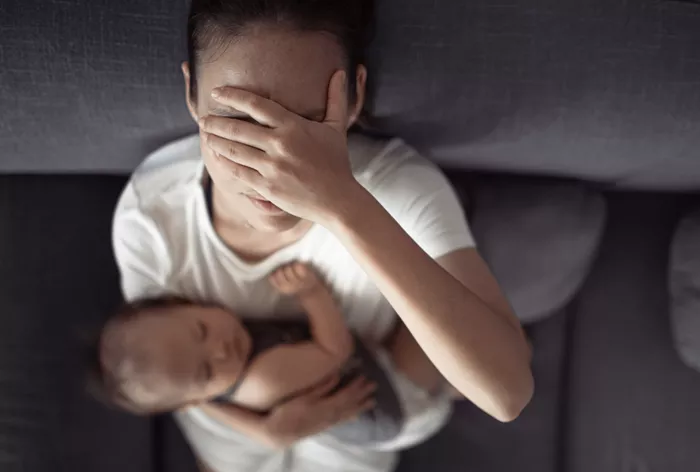
Japan has reported 162 suicides among pregnant and postpartum women between 2022 and 2024, raising urgent concerns about maternal mental health and the impact of postpartum depression.
Health officials and support organizations are stepping up efforts to provide targeted interventions and increase awareness of emotional distress during and after pregnancy.
Analysis from the Japan Suicide Countermeasures Promotion Center (JSCP), based on police data, identifies two groups at particularly high risk: women in their early 20s during pregnancy and women in their early 40s within the first year after giving birth.
This is the first nationwide examination of suicide statistics during the perinatal period, following the National Police Agency’s decision in 2022 to track such cases. Among the 162 suicides, 28% occurred during pregnancy, 16% within two months postpartum, and 56% between three months and one year after childbirth.
Young pregnant women aged 20–24 faced the highest suicide rate during pregnancy, with 7.5 deaths per 100,000 births—more than double that of the next highest group, women aged 40–44. Postpartum, women aged 40–44 experienced the highest suicide rate within one year after delivery at 13 per 100,000, nearly double the rate of women aged 35–39.
JSCP findings indicate that family-related issues are common among pregnant women who die by suicide, especially marital or relationship difficulties. Among postpartum women, struggles with child-rearing, health challenges, and depression—including postpartum depression—are prominent factors.
“Don’t struggle alone. Take a step forward and reach out for help,” urged JSCP Director Yasuyuki Shimizu, emphasizing early support and outreach to grieving families.
Experts note that pregnancy and the postpartum period can trigger anxiety, emotional distress, and mood disorders due to physical, psychological, and lifestyle changes. Women facing unintended pregnancies or limited social support are particularly vulnerable. According to the Japan Association of Obstetricians and Gynecologists, one in ten women experiences postpartum depression, with symptoms including uncontrollable crying, insomnia, loss of appetite, feelings of guilt, and difficulty enjoying parenting.
Early intervention is critical. Health professionals encourage women to seek help from local clinics or public health centers if they notice troubling emotional or behavioral changes.
Government efforts to address maternal mental health include expanding postpartum checkups and maternal care services. Two-week postpartum checkups aim to detect early signs of mental health issues. The availability of these checkups has grown from 56.2% of maternity hospitals in 2017 to 86.8% in 2025, though gaps remain in nonsubsidized regions.
Additional public support programs, funded by the Children and Families Agency, offer home visits, daytime programs, and overnight stays, providing access to midwives and trained professionals who can identify and address postpartum depression.
READ MORE
Postpartum Depression and Self-Care: A Guide to “Getting Your Pink Back”
Boosting Ovarian Health: Slowing Aging Naturally
UK Women with PCOS Face Delayed Diagnosis and Inconsistent Care
