
A recent analysis from the POSITIVE trial offers reassuring news for young women recovering from hormone receptor-positive (HR+) breast cancer: breastfeeding after treatment is generally safe and feasible, with potential positive implications for maternal well-being, including postpartum mental health.
The POSITIVE trial originally investigated the safety of temporarily pausing endocrine therapy (ET) in women with early HR+ breast cancer who wanted to become pregnant. Previous findings showed that interrupting ET did not increase short-term cancer recurrence risk. The latest report focuses on outcomes after live births, specifically examining breastfeeding practices and their safety.
Of 317 women in the study who had at least one live birth, 313 were eligible for the breastfeeding analysis. Among these, 196 women (62.6%) breastfed their infants. Breastfeeding rates were highest among women who had undergone breast-conserving surgery, with nearly 78% breastfeeding—typically from the unaffected breast—compared with 45% of women who had a unilateral mastectomy.
Other factors influencing breastfeeding included age and prior parenthood. Women over 35 were more likely to breastfeed than younger mothers (68% vs. 56%), and first-time mothers had higher breastfeeding rates than those with older children (66% vs. 49%). Duration was also encouraging: over half of breastfeeding women (53%) continued for more than four months, with a median duration of 4.4 months.
Importantly, breastfeeding did not increase the risk of breast cancer recurrence. At a median follow-up of 41 months, breast cancer events within 24 months of birth were similar between groups: 3.6% for women who breastfed versus 3.1% for those who did not. The difference of 0.5% was not statistically significant, confirming no meaningful risk.
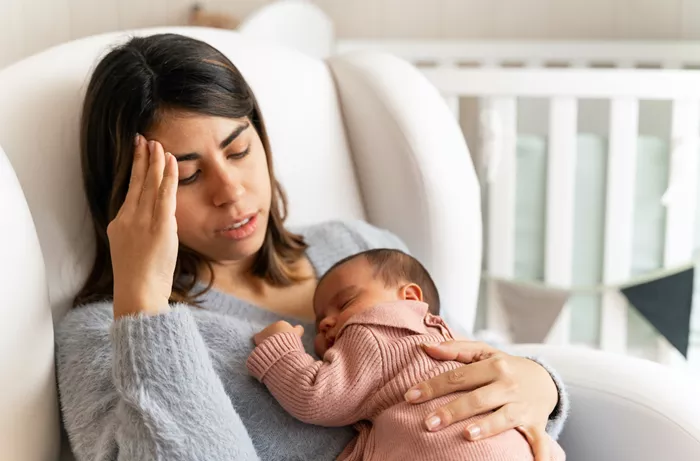
Beyond cancer outcomes, these findings may have implications for maternal mental health. Breastfeeding has been linked to reduced rates of postpartum depression in the general population, and knowing it is safe after breast cancer may support psychological well-being during the postpartum period.
Overall, the study provides critical reassurance for young breast cancer survivors navigating the dual challenges of motherhood and recovery, showing that two-thirds of women were able to successfully breastfeed without compromising their health.
READ MORE
Japan Tackles Postpartum Depression and Maternal Suicide
Boosting Ovarian Health: Slowing Aging Naturally
Menopause Hormone Tests Offer Little Health Benefit, Experts Warn
