
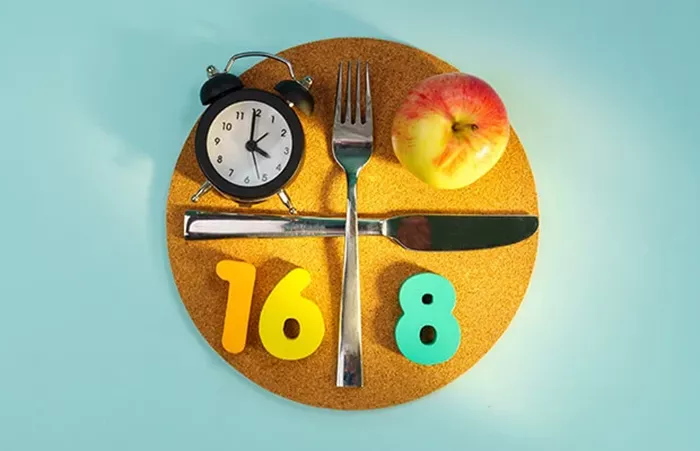
From time-restricted eating to alternate-day fasting, one-meal-a-day regimens, and extended fasts, intermittent fasting (IF) has become a major health trend in recent years.
Unlike traditional diets that dictate what to eat, IF focuses on when to eat, restricting food intake to specific windows depending on the chosen method. Curious about its effects, I decided to test intermittent fasting for one week.
Research suggests there may be significant benefits. A 2025 review in The BMJ found that all forms of IF can support weight loss, while other studies have linked it to lower fasting blood sugar, improved insulin sensitivity, and even potential longevity benefits. But does it live up to the hype? Here’s what I discovered.
Start gradually for better results
I opted for time-restricted eating, fasting 18 hours a day and eating during a six-hour window (from 2 p.m. to 8 p.m.). The first day was a challenge, but experts recommend starting with shorter fasts—perhaps 12 to 14 hours—and gradually increasing the duration. For those new to IF, beginning with just a couple of days per week can help the body adjust. I followed a progressive approach and found that, over the course of the week, the constant preoccupation with food began to fade.
Routine makes fasting easier
Adopting a structured schedule was key. I completed most of my work in the mornings while staying hydrated with water, black coffee, and green tea. Hunger pangs surfaced around 11 a.m., but mid-day activities such as yoga or hiking helped distract me until my first meal—typically Greek yogurt with berries and almonds. After that, the rest of the day became routine: a simple dinner and an occasional snack. Within a few days, the mental energy previously spent on planning, preparing, and consuming food was redirected toward productivity and focus.
Hunger comes and goes
Common myths about needing to eat breakfast daily or eat frequently throughout the day proved untrue. Strategies that helped included caffeine, structured routines, and understanding that hunger is temporary. Experts caution, however, that IF is not a license to starve; it should be approached safely and mindfully.
Simplicity is a major advantage
Unlike diets with strict rules and points systems, IF is straightforward. No cookbooks or guides are required, and foods like wine, chocolate, and desserts remain allowable. After the initial adjustment period, I noticed improved energy, more mindful eating, and enhanced flavor in foods—even strawberries seemed sweeter.
Fasted workouts may enhance performance
Exercising while fasting is not for everyone, and medical consultation is advised before trying it. Personally, I found that fasted yoga and hiking boosted my stamina and motivation, aligning with research suggesting that fasted exercise may enhance fat-burning potential.
Benefits extend beyond weight loss
While IF can create a calorie deficit leading to weight loss, additional benefits include reduced overall hunger, heightened energy, improved focus, and increased motivation. After one week, I experienced all of these advantages and gained a new appreciation for the flexibility and simplicity of intermittent fasting.
READ MORE
