
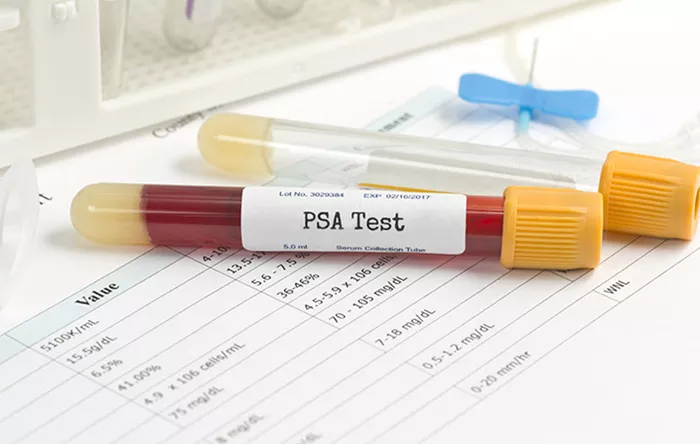
On 3 September 2025, the House of Lords will hold a short debate prompted by Lord Mott (Conservative) focusing on government measures to ensure that general practitioners (GPs) actively discuss prostate cancer with men at highest risk. The debate will also address informing these men about their entitlement to a free prostate specific antigen (PSA) test.
Understanding Prostate Cancer Risk Factors and Diagnosis Trends
The prostate, a small gland beneath the bladder responsible for producing semen and regulating urine flow, faces cancer risks influenced by several key factors, according to guidance from the National Institute for Health and Care Excellence (NICE):
Age: Prostate cancer risk significantly increases after age 50. While only 0.1% of men under 50 are diagnosed, autopsy studies reveal that by age 80, up to 70% of men have evidence of prostate cancer.
Ethnicity: Men of Black ethnicity have a notably higher incidence rate, with a lifetime diagnosis risk of 1 in 4, compared to 1 in 8 for White men. Asian men have a lower incidence.
Family History and Genetics: Having a close relative with prostate cancer raises risk. Though the genetic basis is still being researched, certain mutations linked to prostate and other cancers (like BRCA1 and BRCA2) are implicated.
In 2022, prostate cancer was the most commonly diagnosed cancer in England and the leading cancer in men aged 45 and over, with 54,732 new cases—a 26% rise from the previous year. This increase was partly attributed to a six-week awareness campaign by NHS and Prostate Cancer UK, which encouraged men to use an online risk checker and resulted in record urgent cancer referrals.
Preliminary figures show diagnoses continued rising, with 54,107 cases in 2023 and 58,132 in 2024.
Early detection remains critical: 53% of prostate cancers in 2022 were diagnosed at stages 1 or 2, which correlates with a 92% five-year survival rate. This rate drops significantly to 60% for diagnoses made at stage 4.
Current Prostate Cancer Testing and Screening Practices
PSA Testing
The PSA blood test measures prostate-specific antigen levels, a protein produced by both healthy and cancerous prostate cells. While useful, the PSA test cannot definitively diagnose prostate cancer alone. Elevated PSA levels may indicate cancer but can also result from non-cancerous conditions like prostatitis or an enlarged prostate.
The NHS does not offer routine PSA screening, but men over 50 can request the test, and GPs may offer it when symptoms suggest possible prostate disease. NHS guidance advises GPs to follow NICE protocols: if symptoms exist, patients should receive a PSA test and digital rectal examination (DRE). Suspicious findings or elevated PSA levels may lead to referral for further investigations such as MRI and biopsy.
However, current Office for Health Improvement and Disparities (OHID) guidance discourages GPs from proactively raising PSA testing with asymptomatic men, emphasizing that many prostate cancers are slow-growing and may not impact lifespan.
Pros and Cons of PSA Testing
Patient information from OHID highlights potential benefits, including early detection of aggressive cancers, but also risks like false positives, missed cancers, unnecessary biopsies with possible side effects, and overdiagnosis leading to anxiety and potentially avoidable treatments with lasting side effects.
Prostate Cancer UK stresses that men at high risk could benefit from regular PSA monitoring to detect significant PSA rises indicative of cancer.
Screening Program Debate
The UK currently has no prostate cancer screening program. In 2020, the UK National Screening Committee (UK NSC) advised against it, citing unclear impact on mortality, test limitations, risks from overdiagnosis, and lack of a single superior treatment for early-stage disease.
The UK NSC is now reassessing targeted screening strategies for high-risk groups, with results expected by autumn 2025. This review will inform potential future screening policies, which could range from universal screening to targeted approaches or no screening.
Leading cancer organizations and many clinicians support some form of screening, especially for high-risk populations. Media campaigns, like those from The Telegraph, have also called for proactive testing offers to vulnerable men.
Calls for Guideline Revisions and Enhanced Awareness
While awaiting UK NSC decisions, advocacy groups like Prostate Cancer UK argue current guidelines are outdated. They urge GPs to initiate discussions about prostate cancer risk and PSA testing with high-risk men, especially Black men from age 45, to promote earlier detection and save lives.
Additionally, both Prostate Cancer UK and the British Association of Urological Surgeons (BAUS) call for discontinuing routine digital rectal exams in primary care, citing limited diagnostic value and potential to deter men from seeking help.
Prostate Cancer UK also advocates for a national public awareness campaign and improved, clear messaging on prostate cancer risks to replace confusing existing materials.
READ MORE
