
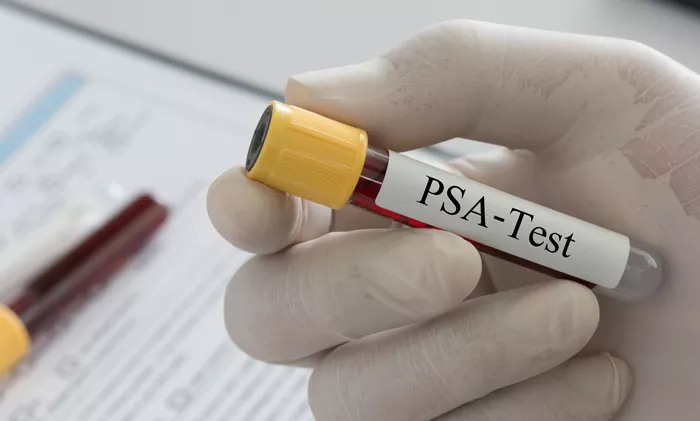
In the first part, we explained how PSA is used to screen for prostate cancer in men without symptoms. PSA screening can save lives. But it often finds slow-growing cancers that may never be deadly. Sometimes, PSA levels rise for reasons not related to cancer.
These include prostate inflammation or a benign enlargement of the gland, which is common with age. There have long been worries that PSA screening leads to unnecessary tests and overdiagnosis of prostate cancer.
Doctors also use PSA to check if prostate cancer is getting worse in men who already have a diagnosis. Unlike screening, which often gives unclear results, using PSA to monitor cancer progression “is one of the most useful tools we have,” says Dr. Marc B. Garnick. He is the Gorman Brothers Professor of Medicine at Harvard Medical School and Beth Israel Deaconess Medical Center. He also edits the Harvard Medical School Guide to Prostate Diseases.
Men with low-risk prostate cancer who are on active surveillance may need treatment if their PSA levels start to rise. Doctors also use PSA to check for cancer recurrence in men who have had surgery or radiation. But how the test is used in these cases is very different.
PSA Elevations After Surgery
After a man has his prostate removed, his PSA should be undetectable. That’s because all cells that release PSA are taken out. If PSA rises during follow-up checks, it’s called a biochemical recurrence. This means cancer cells are still in the body somewhere.
PSA Elevations After Radiation
Radiation kills cancer in the prostate but leaves the rest of the gland. So PSA doesn’t drop to zero. Instead, it falls to a “nadir” — the lowest level after radiation. Ideally, the nadir is less than 1 nanogram per milliliter of blood (ng/mL), or better, less than 0.5 ng/mL. For men who had radiation, a biochemical recurrence is diagnosed if PSA rises by at least 2 ng/mL above the nadir.
What Happens Next?
Traditionally, after a biochemical recurrence, doctors use bone scans and CT scans of the abdomen and pelvis to look for cancer. If scans show no spread, it’s called nonmetastatic prostate cancer. This means the rising PSA points to cancer that traditional scans can’t see.
If PSA doubles every few years, patients can often be monitored without treatment. But if it doubles faster — say, every six to eight months — “then we get concerned,” Dr. Garnick says. This shows how PSA kinetics — the rate at which PSA changes over time — helps doctors decide if more treatment is needed.
Evolving Treatment
Doctors now use a new test for men with biochemical recurrence. It looks for prostate-specific membrane antigen (PSMA), a protein on most prostate cancer cells. First, a tracer is injected into the bloodstream. It finds and sticks to PSMA. Special imaging then focuses on these tagged cells, which glow like matches in the dark. PSMA is useful because it can find tiny spread that traditional imaging misses.
Doctors check PSA every three months or so to see how well treatments for metastatic cancer are working. If levels drop or stay the same, the treatment works. In the past, all men with metastatic prostate cancer got lifelong treatment. But therapies are improving. Now, long-term treatments can be paused — sometimes forever — “if PSA remains undetectable and metastases are no longer visible,” Dr. Garnick says.
PSA is also key for testing new therapies for advanced prostate cancer. These include new drugs or combinations not yet approved by the FDA. “A 50% or more drop in PSA is a good sign the treatment is working,” Dr. Garnick says. “Monitoring PSA remains one of the most important things doctors do to find the best treatments for men with prostate cancer.”
Related topics:
Prostate Cancer and the PSA Test: Key Facts Every Man Should Know
New Robotic Prostate Cancer Treatment Causes Fewer Side Effects
Simple PSA Blood Test Cannot Reliably Detect Prostate Cancer
