
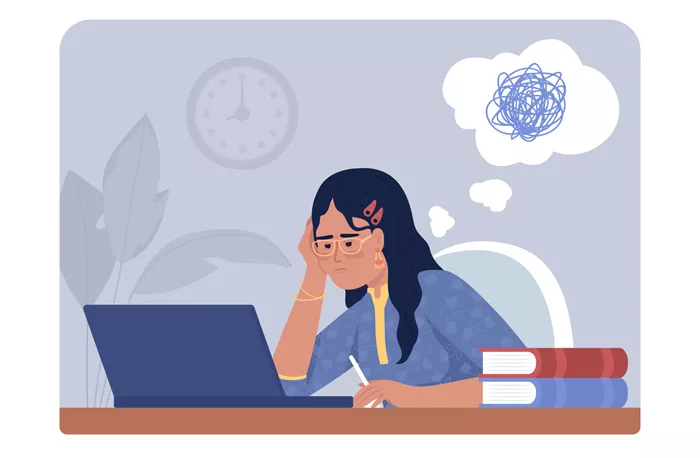
Mood swings, irritability, anxiety—these are classic complaints during the hormonal rollercoaster of menopause and perimenopause. But for many middle-aged women, they could also signal something else: undiagnosed ADHD.
This neurodevelopmental disorder, marked by inattention, disorganization, and impulsivity, often flies under the radar in women—until menopause hits.
Shanna Pearson, author of the upcoming Invisible ADHD, explains: “Women spend decades building systems to manage careers, families, and relationships. Then perimenopause strikes, and those systems collapse. It’s like the rug is pulled out from under them.” The hormonal shifts of this life stage can worsen ADHD symptoms, leaving previously “high-functioning” women suddenly struggling to cope.
How ADHD Looks Different in Women
ADHD doesn’t present the same way in men and women—and this difference is a key reason women go undiagnosed.
For men, symptoms are often external: physical restlessness, impulsive actions (like speeding or risky behavior), or fidgeting at the dinner table. These are hard to miss.
For women, hyperactivity is more mental: Pearson calls it a “24/7 amusement park in your brain.” Women with ADHD may daydream, get lost in thoughts, or feel mentally “overwhelmed” without acting out physically. Since they don’t disturb others, their symptoms are easy to overlook.
Why Menopause Worsens ADHD Symptoms
Estrogen, a hormone that plummets during perimenopause and menopause, plays a critical role in regulating dopamine—the “motivation chemical” that’s already in short supply for people with ADHD. When estrogen drops, dopamine levels crash too.
This double hit is devastating: Women who once compensated for ADHD with strict routines or to-do lists suddenly find those tools useless. Tasks that felt manageable before—like paying bills or planning meals—become overwhelming.
The Risk of Misdiagnosis
When these women visit doctors, they’re often misdiagnosed with anxiety or depression. Why? The symptoms overlap: restlessness, trouble concentrating, and difficulty relaxing are common to both mood disorders and ADHD.
Doctors rarely screen for ADHD in middle-aged women, so they default to what’s more familiar. Pearson warns: “A woman describing ‘constant overwhelm’ might walk out with a depression diagnosis, missing the root cause.”
How to Tell If It Might Be ADHD
Pearson shares a key clue not on standard questionnaires: “severe overwhelm syndrome”—that “deer-in-the-headlights” feeling when faced with 20 equally urgent tasks and no idea where to start.
Crucially, this isn’t new. Women with ADHD have felt this their whole lives—school, work, even social plans. Menopause just amplifies it.
What to Do If You Suspect ADHD
See a specialist: General therapists may miss ADHD. Look for a doctor or psychologist trained in adult ADHD.
Track your energy: Spend 3 days noting when you feel most alert vs. sluggish. Schedule tough tasks during high-energy windows.
Break mental cycles: If your mind feels “stuck,” try physical stimuli—stand up, play music, suck a strong mint, or drink ice water. These jolts help shift focus from racing thoughts to your body.
Beyond Hormones: Life Stresses Add Up
Midlife brings more than hormonal changes. Many women juggle aging parents, empty nests, career peaks, or loss (divorce, death of loved ones). These stressors compound ADHD symptoms, making the menopause transition even harder.
Recognizing the link between menopause and ADHD is the first step. With the right diagnosis and tools, women can regain control—even amid life’s biggest transitions.
Read more:
