
In 2024, England recorded 2,544 confirmed cases of Shiga toxin‑producing E. coli (STEC)—a significant 26.1% increase compared to 2,018 cases in 2023.
This upswing was driven primarily by rising infections of non‑O157 strains, which continue to grow in prevalence even as O157 cases plateau back to pre‑pandemic levels.
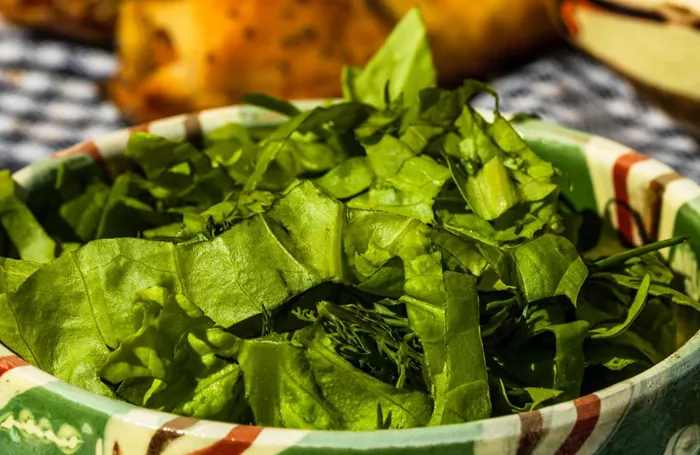
Among the most concerning developments was a large outbreak linked to contaminated salad leaves, responsible for 293 cases, including 196 in England alone. That single incident resulted in 126 hospitalisations, 11 cases of haemolytic uraemic syndrome (HUS), and two fatalities.
In total, UKHSA and partner agencies investigated five STEC outbreaks in 2024, involving 467 cases, with sources traced to contaminated beef, fresh fruit, and salad leaves.
Risks concentrated in youngest children
Children aged one to four years were disproportionately impacted, accounting for 357 total cases (84 O157 and 273 non‑O157) .
Experts suggest this vulnerability stems from a combination of immature immune systems, poorer hygiene, and greater exposure through environments like petting farms.
Travel-linked infections also increased
Notably, travel-related STEC cases rose by 60.5%, from 114 in 2023 to 183 in 2024.
Officials posit that this may reflect shifts in international travel behaviour and improved tracking of travel histories during case investigations.
Clinical impact and severity
Though most STEC infections cause gastroenteritis symptoms—ranging from mild diarrhoea to bloody stools, stomach cramps, vomiting, and dehydration—some develop serious complications. In 2024, 2.1% of O157 and 1.7% of non‑O157 cases progressed to HUS, with seven deaths reported (two O157, five non‑O157).
Hospitalisation rates were 27.5% for O157 and 34.3% for non‑O157 cases.
Commentary from public health authorities
Dr Gauri Godbole, Deputy Director for gastrointestinal infections at UKHSA, noted that while the spike in cases was partly attributable to the salad-linked outbreak, the overarching trend of rising infections began in 2022.
She emphasised essential preventive measures:
Wash hands with soap and warm water, especially after outdoor play or visiting pet farms
Clean surfaces with bleach-based products
Avoid preparing food for others while symptomatic and for 48 hours after symptoms cease
Stay well hydrated and seek medical advice if symptoms include blood in stools or severe dehydration
Natasha Smith, Director of Food Policy at the Food Standards Agency (FSA), reiterated the importance of maintaining the 4Cs of food hygiene—chilling, cleaning, cooking, and avoiding cross-contamination. She highlighted FSA efforts in promoting a food safety campaign and supporting food businesses to meet hygiene standards, including referencing Food Hygiene Ratings for consumers.
What you should know and do
Non-O157 STEC cases now 78% of total infections—their detection has improved thanks to laboratory advances such as PCR testing, which has led to a nearly threefold rise in reported non-O157 cases since 2019.
STEC outbreaks tend to peak in autumn for non-O157 strains, unlike O157 which peaks in summer. Therefore, vigilance is crucial year-round
Parents of young children should:
- Teach and reinforce thorough handwashing practices
- Be cautious after visits to petting farms or when handling raw foods
- Discourage preparing food for others during and shortly after illness
Consumers can reduce risk by:
- Following the 4Cs at home
- Checking current Food Hygiene Ratings before dining out
- Avoiding contact with food when symptomatic
- Medical advice is essential if symptoms worsen or blood appears in stools, especially for vulnerable groups like toddlers or the elderly.
In summary
England experienced a notable 26% rise in STEC infections in 2024, driven by a high-profile salad-leaf outbreak and sustained increases in non-O157 strains. Young children remain the most at risk, and both public health data and expert commentary underline the importance of strict hygiene, safe food practices, and awareness of illness signs.
Read more:
Rare flu-related brain disease in children surges across US
Skin Cancer Link to Beta‑HPV: A Breakthrough Case Report
SNAP Participation Linked to Slower Cognitive Decline for Older Adults
