
A recent 10-year analysis reveals that older adults who enrolled in the U.S. Supplemental Nutrition Assistance Program (SNAP) experienced significantly slower cognitive decline compared with those who were eligible but did not participate.
Presented on July 30 at the Alzheimer’s Association International Conference (AAIC) in Toronto, the study tracked individuals aged 50 and older and found a 0.10% decrease in the rate of cognitive loss—equating to two to three additional years of cognitive health.
The investigation, using data from the nationally representative Health and Retirement Study, compared around 1,131 SNAP participants (mean age ~63) with 1,216 eligible non‑participants (~66).
Cognitive assessments—including memory and executive function—were conducted every two years between 2010 and 2020, showing that SNAP recipients maintained better mental acuity over time.
PR Newswire
Researchers emphasize that while the annual difference may appear modest, the accumulated effect can significantly delay the onset of mild cognitive impairment. For someone beginning with healthy cognition, that delay may amount to nearly a decade.
Although the study isn’t yet peer-reviewed and cannot definitively prove causation, researchers and public health experts believe SNAP may offer cognitive benefits through multiple pathways.
Improved access to nutritious, nutrient-rich food can help mitigate chronic disease and high blood pressure—major risk factors for dementia. Reducing food insecurity also lowers chronic stress, which is independently linked to cognitive decline.
Importantly, the protective effect was not uniform across racial and ethnic groups. While all groups benefited from SNAP participation, non‑Hispanic Black and Hispanic older adults experienced smaller benefits in cognitive preservation compared to non‑Hispanic white participants. Authors call for further research into the root causes of these disparities.
PR Newswire
These findings arrive amid significant federal budget legislation—the so-called “One Big Beautiful Bill”—that proposes to reduce SNAP spending by approximately $186 billion to $300 billion through 2034. The bill also expands work requirements and shifts more administrative and programmatic costs onto states starting in fiscal year 2027.
Analysts warn these cuts would cripple the ability of SNAP to reduce food insecurity—historically, SNAP has decreased food insecurity by roughly 30%, and has been linked to improved physical and mental health outcomes.
Food banks and charitable organizations are bracing for heightened demand; however, experts argue that these community efforts cannot substitute for federal nutrition assistance at scale.
In states like Connecticut, the elimination of SNAP‑Ed funding—nutrition education programs tied to SNAP—is already putting vital community services at risk. Several programs may face closure and layoffs, eliminating nutrition education and support for vulnerable families.
Broader Context: Nutrition, Lifestyle, and Cognitive Aging
Complementary evidence from other recent research reinforces the role of diet and healthy habits in preserving mental function.
A JAMA‑published trial presented at AAIC showed that structured lifestyle programs—including elements like the MIND diet, physical activity, brain training, social engagement, and sleep hygiene—can slow cognitive decline by one to two years in older adults aged 60–79. This effect persisted across participants with genetic risk factors such as APOE4 and early Alzheimer’s biomarkers.
Another global study linked social isolation to accelerated cognitive decline, mediated by depression. The findings suggest that policies supporting social interaction and mental health may reinforce brain resilience.
arXiv
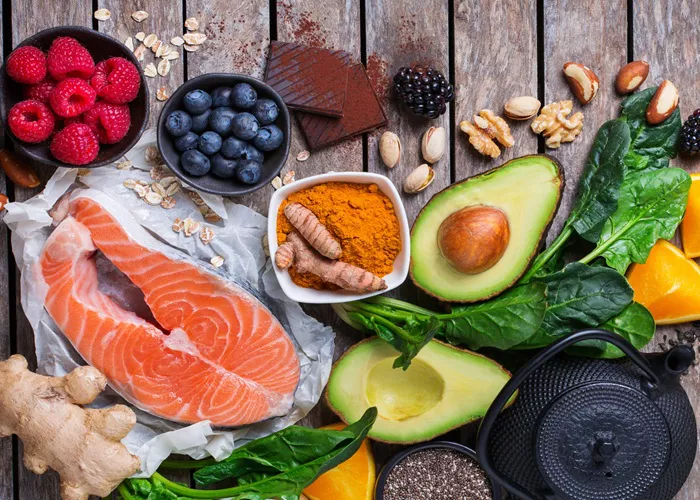
Dietary patterns like the MIND diet—which emphasizes leafy greens, berries, whole grains, fish, and poultry—have also been associated with slower cognitive aging, though randomized trials are still needed to confirm causality.
Why SNAP Might Support Brain Health
Experts propose several mechanisms by which SNAP participation may support cognition:
Improved nutrition quality: SNAP enables access to fruits, vegetables, lean proteins, and whole grains—components known to support brain health.
Reduced stress: Reliable food support may reduce financial anxiety, freeing up mental resources for cognitive functioning.
Chronic disease prevention: Better diets help manage conditions like hypertension and diabetes, which are known contributors to dementia risk.
Read more:
Rare flu-related brain disease in children surges across US
