
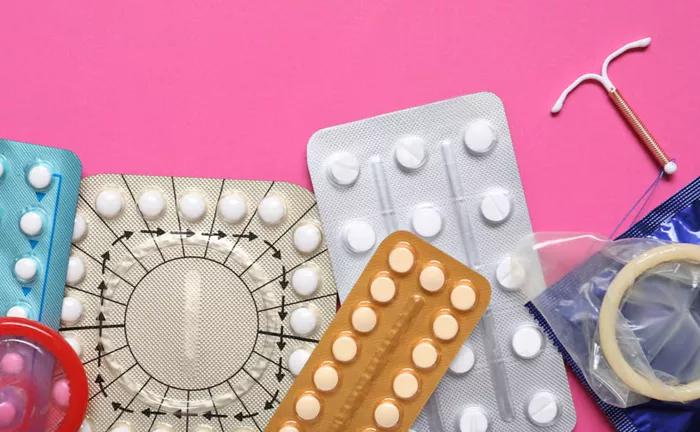
The United States government is facing harsh criticism after reports confirmed it plans to destroy approximately $9.7 million worth of contraceptives originally intended for women and girls in vulnerable communities across the globe. Despite being in excellent condition and far from expiring, the stockpile is scheduled for incineration by the end of July.
Global health advocates, including Médecins Sans Frontières (MSF), have called the move a “reckless and harmful act,” warning that the destruction of these supplies threatens the lives and autonomy of countless women and girls. “Contraceptives are essential and lifesaving health products,” said Avril Benoît, Executive Director of MSF USA. “Destroying them is unconscionable and puts access to reproductive healthcare even further out of reach.”
The contraceptives—ranging from IUDs and oral pills to implants and injectables—were purchased using U.S. taxpayer funds under the USAID family planning and reproductive health initiative. However, earlier this year, the U.S. government terminated the program and halted distribution.
Millions in Medical Supplies Await Incineration
The contraceptives currently sit in a warehouse in Belgium, with expiration dates extending well into 2027 and beyond. Media reports suggest that incinerating the stock will cost U.S. taxpayers at least $167,000, as the products must undergo dual incineration due to their hormonal content.
Offers from global organizations, including MSI Reproductive Choices, to cover transportation and distribution costs were declined by the U.S. government. Instead, the administration has remained committed to destruction, a decision MSF labels as not only morally indefensible but fiscally irresponsible.
Rachel Milkovich, a senior policy and advocacy specialist at MSF USA, emphasized the broader implications. “These contraceptives had a destination—communities in urgent need. Their destruction signifies a betrayal of those expecting to use them to protect their health and futures.”
Contraceptive Shortages and Global Health Risks
The U.S. move is expected to deepen existing supply chain shortages in regions already facing healthcare disruptions due to conflict, displacement, or limited infrastructure. The defunding of USAID’s family planning programs has left a critical gap in global reproductive health services. MSF warns that national health systems depending on these supplies will be unable to fill the void, placing further strain on local clinics and outreach programs.
In addition to the Belgian warehouse, reports suggest another cache of USAID-purchased contraceptives remains in the United Arab Emirates, though the government’s plans for this stockpile remain undisclosed. In total, an estimated $40 million worth of reproductive health commodities are stuck in storage limbo across the supply chain.
“The U.S. government manufactured this crisis,” said Benoît. “Destroying these valuable supplies is not about eliminating waste—it’s about making a political point at the expense of women’s health.”
Wider Pattern of Resource Destruction
This incident comes amid a wave of similar decisions by the U.S. government to destroy critical humanitarian supplies. Earlier this month, it incinerated 500 tons of emergency food aid, which had expired after prolonged delays in approval for shipment. Meanwhile, nearly 800,000 doses of mpox vaccines—originally earmarked for international use—have been allowed to expire unused.
The pattern raises serious concerns among global health organizations. “Access to contraception is central to public health, self-determination, and equality,” Milkovich said. “To burn what women are waiting for, especially when alternatives exist, is indefensible.”
Calls for Transparency and Reversal
MSF and other humanitarian groups are urging the U.S. government to release full details of all stored medical supplies, as well as the rationale behind their destruction. They are also advocating for a shift in policy that would prioritize humanitarian use over political strategy.
“The most prudent and humane action is to reroute these supplies to Ministries of Health in countries where demand remains high,” said Benoît. “There is still time to prevent a devastating waste.”
While MSF does not receive U.S. government funding, it often collaborates with Ministries of Health to administer contraceptives in communities with little or no access to care. Shortages resulting from the destruction of stockpiled supplies will create health gaps MSF and other organizations cannot immediately fill.
The U.S. was formerly the world’s largest bilateral donor to reproductive health efforts, with a $607.5 million contribution in the 2024 fiscal year. The sudden withdrawal of support risks unraveling years of progress toward global health equity for women and girls.
Related topics:
