
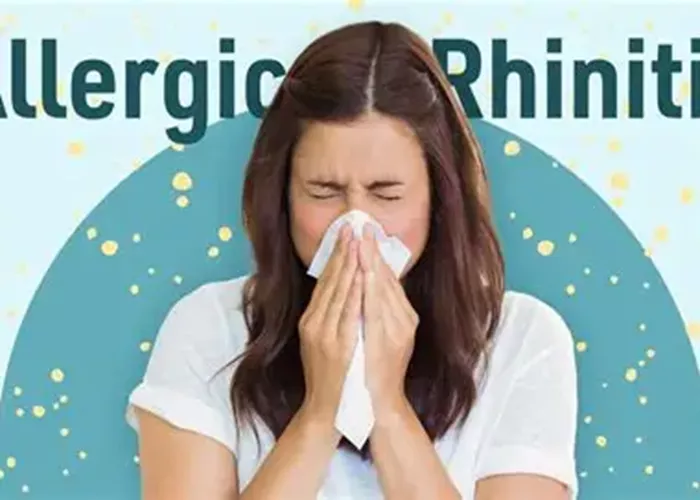
A recent study published in Frontiers in Medicine has uncovered a potential silver lining for those suffering from allergic rhinitis: a lower risk of developing lung cancer, offering new insights into the complex relationship between allergies and cancer.
The research, which analyzed data from 10 previously published reports involving 3.8 million individuals, found that people with allergic rhinitis had a 26% lower risk of lung cancer compared to those without the condition. Additionally, the study noted that eczema was associated with a reduced lung cancer risk in men, though its effect on women was not significant.
Researchers proposed two key mechanisms to explain this link. First, they suggested that the IgE-mediated allergic reactions associated with rhinitis may enhance the body’s immune surveillance, helping to eliminate cancer cells at an early stage. Second, the frequent sneezing caused by allergic rhinitis could accelerate the expulsion of carcinogenic toxins from the respiratory tract, reducing their harmful impact.
However, the study emphasized that not all allergic reactions offer protective effects against cancer. Chronic inflammatory responses related to allergies can skew the immune system, weakening anti-tumor immunity and creating an immunosuppressive microenvironment. For example, asthma patients were found to have a higher risk of lung cancer, while atopic dermatitis significantly increased the risk of skin cancer and was also linked to elevated risks of lung cancer, colorectal cancer, and gliomas, among other distant tumors. This highlights that the immune changes caused by allergies act as a “double-edged sword.”
The authors acknowledged several limitations in their work. The study only included populations from the Americas, the sample size was relatively small, and allergy data relied on self-reports from patients, which may introduce biases. They noted that future research should expand the scope of investigation, explore the underlying pathological mechanisms connecting allergies and cancer, and aim to provide guidance for risk assessment and prevention strategies in affected populations.
In summary, while allergic rhinitis shows promise in reducing lung cancer risk, the complex interplay between different allergic conditions and cancer underscores the need for further research to fully understand these relationships and their clinical implications.
Related topics:
Aquablation Therapy: New Hope for Men with Enlarged Prostate
40% of perimenopausal women have untreated VMS
New Robotic Prostate Cancer Treatment Causes Fewer Side Effects
