
Recently, the emergency department of Heilongjiang Provincial Hospital admitted a 26 – year – old patient. She had been staying in an air – conditioned room for several consecutive days, staying up late to write her thesis, and only went outside when it was time for class. Shortly after, she experienced dizziness, vomiting, general weakness, and numbness in her fingers.
Gao Yufei, the director of the emergency department, explained that the patient, after a long time in the air – conditioned room, suddenly entered the outdoor high – temperature environment. The human body has difficulty quickly adapting to a temperature difference of more than 5℃, which led to cerebral vasospasm and then induced acute cerebral infarction.
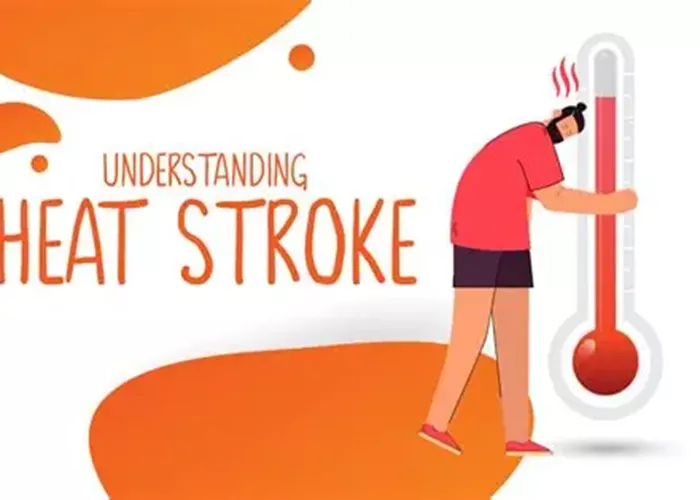
Gao Yufei said that similar cases are very common every summer. In fact, this is a special type of heatstroke – “cold heatstroke”. Heatstroke can occur not only in hot environments but also when transitioning from a cold environment to a hot one. Symptoms of cold heatstroke include dizziness, nausea, vomiting, and even abdominal pain and diarrhea. When in an air – conditioned room, the body does not sweat, and heat accumulates. Suddenly entering a high – temperature environment causes a sharp increase in internal heat, exceeding the body’s thermoregulatory ability. The thermoregulatory system fails, and heat cannot be dissipated, thus triggering cold heatstroke.
So, how can we avoid cold heatstroke in summer? Gao Yufei introduced several preventive measures. Firstly, the temperature difference during the transition between cold and hot environments should not be too large. Before going outside from an air – conditioned room, you can turn off the air – conditioner in advance to raise the indoor temperature and allow the body to gradually adapt to the temperature difference. When entering an air – conditioned room, the air – conditioner temperature should be set so that the difference from the outside is no more than 5℃, and avoid direct cold air blowing on the body. After the body adapts, the temperature can be gradually lowered. At the same time, avoid staying in a closed air – conditioned room for a long time. Open the window for ventilation or go out for a walk every 2 to 3 hours. Secondly, pay attention to hydrating. It is recommended to drink no less than 2.5 liters of water per day. Do not drink a large amount of ice – cold drinks, but drink warm water in small amounts and multiple times to ensure that blood vessels do not contract sharply. Thirdly, in terms of diet, you can eat more fruits and vegetables with high water content, such as cucumbers and watermelons.
Gao Yufei reminded that once symptoms of cold heatstroke such as dizziness and nausea occur after transitioning from a cold to a hot environment, loosen the collar buttons and belt, wipe off sweat, pay attention to ventilation, and drink warm water in small amounts and multiple times. The symptoms can be relieved after a short rest. If the symptoms are severe, or if the patient is elderly or has underlying diseases such as hypertension and diabetes, they should seek medical attention in a timely manner.
For people who like to swim in summer, special attention is needed. The temperature in the swimming pool is lower than that in the air – conditioned room. After swimming, do not immediately enter a high – temperature environment. First, dry the body, rest for 15 minutes, take a warm – water bath, and then enter the outdoor high – temperature environment.
In summer, in addition to avoiding sudden transitions between cold and hot environments with large temperature differences, do not drink a large amount of ice – cold drinks in high – temperature environments, as this can easily cause “brain freeze”. “Many people drink cold drinks to relieve heat after entering a hot environment from a cold one, but the body’s thermoregulatory center does not have time to react, resulting in vasospasm,” said Gao Yufei. “Brain freeze” can be accompanied by symptoms such as headache, tearing, nausea, vomiting, and limb weakness. Generally, it can be relieved on its own within a few minutes, but in a few patients, it may last for half an hour or longer. The vasospasm caused by “brain freeze” can lead to reduced blood supply to the distal part of the brain tissue. If it lasts for a long time, brain necrosis may occur.
Once symptoms of “brain freeze” appear, stop consuming cold drinks immediately to isolate the cold stimulus. If the headache is severe, appropriate massage can be carried out to relieve it, or drink warm water in small sips to relieve the cold stimulus. It is particularly important to be vigilant that if the headache is accompanied by blurred vision or lasts for a long time, it may be a sign of abnormal cerebral vasoconstriction, and medical attention should be sought in a timely manner.
Related topics:
Just 2% More Muscle Slashes Body Fat and Stabilises Blood Sugar in Men
Slight Blood Sugar Spikes Undermine Male Virility, New Study Finds
Toddler Virilised by Father’s Testosterone Gel: Safety Warnings Issued
