
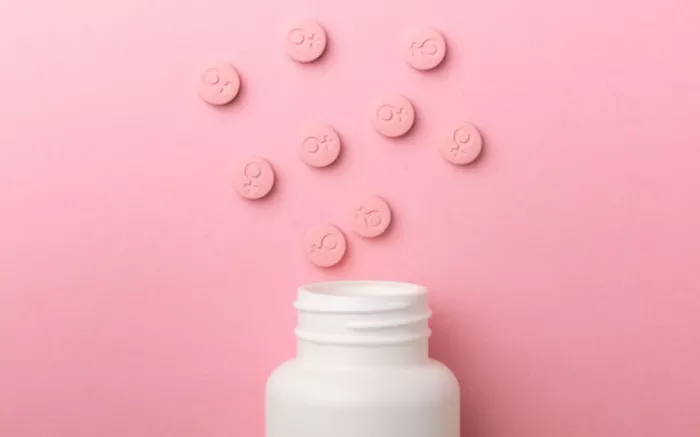
Menopause, a natural transition in a woman’s life, often comes with a host of physical and emotional changes that can last up to a decade. Symptoms such as brain fog, night sweats, irregular periods, joint pain, hot flushes, and thinning hair can deeply impact a woman’s quality of life.
As public awareness grows, so does the number of products claiming to offer relief—many of which are now being accused of “meno-washing.”
“Meno-washing” is the term used to describe the marketing practice of rebranding ordinary products as menopause-specific, often with little to no scientific backing. From supplements and skincare to snacks and drinks, countless items now bear a menopause label—frequently accompanied by inflated prices and vague health claims.
An Exploding Industry With Few Regulations
The menopause wellness market is booming. According to the Global Wellness Summit, it’s expected to hit a staggering $600 billion this year. With such financial potential, brands are eager to get a slice of the pie—even if that means misleading consumers.
“Women should be cautious because the menopause market has exploded with products promising quick fixes, often without robust evidence to back their claims,” says Sara Beattie, a positive psychology practitioner and menopause coach.
Sharon James, co-founder of the GCC Menopause Hub, echoes this concern. “Many of these products fall into the unregulated supplement category. They’re not legally required to prove their safety or effectiveness before being sold.” In some cases, companies merely add a menopause-friendly label to standard items like moisturisers or granola bars, counting on women’s insecurities and the general lack of accessible medical guidance.
Skin Care’s Menopause Makeover
The beauty industry has also jumped on the menopause trend, especially skincare. As women approach perimenopause, declining oestrogen levels affect skin hydration, elasticity, and collagen production. This can lead to visible changes such as dryness, fine lines, and sagging skin.
“Many products originally marketed as anti-ageing are now being rebranded as menopause skincare,” says Beattie. “But addressing skin ageing isn’t the same as addressing the hormonal shifts caused by menopause. Products that simply repackage old formulas with a menopause label are misleading.”
Spotting Meno-Washing: Red Flags to Watch For
Experts caution women to scrutinise menopause-marketed products carefully. Terms like “hormonal balance,” “natural harmony,” or “feel like yourself again” are often used to generate emotional appeal without offering clinical evidence.
“It is virtually impossible for a single supplement or cream to address all the varied symptoms of menopause,” says Beattie. “Hormonal changes affect multiple systems—emotional, skeletal, cardiovascular, and cognitive. Products that claim to be a one-size-fits-all solution are usually too good to be true.”
Evidence-Based Approaches Remain Best
Doctors agree that while some non-prescription products may provide relief, they should never replace evidence-based medical advice. Hormone Replacement Therapy (HRT), lifestyle changes, nutrition, targeted exercise, and professional psychological support remain the most effective and scientifically supported ways to manage menopausal symptoms.
“Menopause is not just a biological transition but a deeply personal and emotional experience,” says Dr Giuseppe Bellucci, an expert in functional nutrition and longevity. “Effective management often involves a personalised strategy combining validated therapies, lifestyle support, and selective supplementation when needed.”
Conclusion
Meno-washing exploits vulnerable consumers by selling hope without proof. As menopause becomes more openly discussed in society, it’s crucial to separate science from sales. Women deserve evidence-based support, not overpriced products wrapped in slick marketing. Always consult healthcare professionals before starting any new regimen, and look beyond the label to make empowered, informed decisions.
