
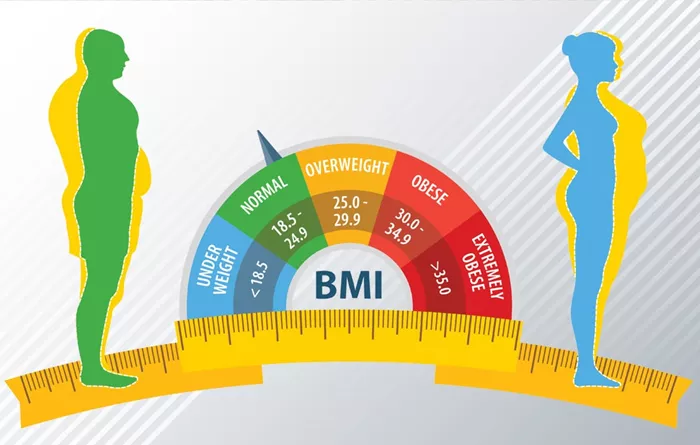
A recent study by the International Agency for Research on Cancer, a specialized body of the World Health Organization, reveals that a higher body mass index (BMI) significantly increases breast cancer risk in postmenopausal women with cardiovascular disease (CVD). The findings, published in the journal Cancer, shed new light on how existing health conditions can amplify cancer vulnerability, especially among aging women.
Breast cancer is known to become more prevalent with age, and high BMI has long been recognized as a risk factor, particularly in postmenopausal women. However, this study aimed to determine whether co-existing conditions like CVD or type 2 diabetes (T2D) might influence the strength of that relationship.
To explore this, researchers examined data from 168,547 cancer-free, postmenopausal women participating in two large-scale cohorts: the European Prospective Investigation into Cancer and Nutrition (EPIC) and the UK Biobank (UKB). All women were also free of CVD and T2D at the start of the study. Over a median follow-up period exceeding a decade, 6,793 cases of breast cancer were recorded.
Key findings include:
Each 5 kg/m² increase in BMI was associated with a 31% higher risk of breast cancer in women who had developed CVD (Hazard Ratio [HR] 1.31, 95% CI 1.16–1.47).
In comparison, women without CVD saw a smaller risk increase (HR 1.13, 95% CI 1.11–1.16), but the difference was statistically significant (P = 0.02).
Importantly, type 2 diabetes did not show a meaningful effect on this relationship (P = 0.33).
When both overweight/obesity (BMI ≥25 kg/m²) and CVD were present, the combination resulted in 1.53 additional breast cancer cases per 1000 person-years—exceeding what would be expected from either factor alone.
“These findings can support more personalized breast cancer screening efforts, especially for women with cardiovascular disease,” said study author Dr. Heinz Freisling. “Future prevention trials should include women with a CVD history to better evaluate the impact of weight loss on cancer risk.”
The study emphasizes the need for clinicians and pharmacists to consider cardiometabolic health in cancer prevention strategies. By identifying high-risk individuals and advising on modifiable lifestyle factors—especially weight management—healthcare professionals can play a key role in reducing cancer burden as the female population ages.
Further research is encouraged to refine screening programs and prevention guidelines based on evolving evidence linking metabolic and cardiovascular health with cancer outcomes.
Related topics:
Breast Milk Sugars May Prevent Newborn GBS Infections
More Women Die of Heart Disease Than Breast Cancer Each Year
