
Prostate cancer is the most common cancer affecting men in many countries, including Australia, where about 26,000 men receive a diagnosis each year. More than 85% of these cases occur in men over 60 years old.
Prostate cancer claims around 3,900 lives annually in Australia. However, most prostate cancers develop very slowly, and many men ultimately die with the disease rather than because of it.
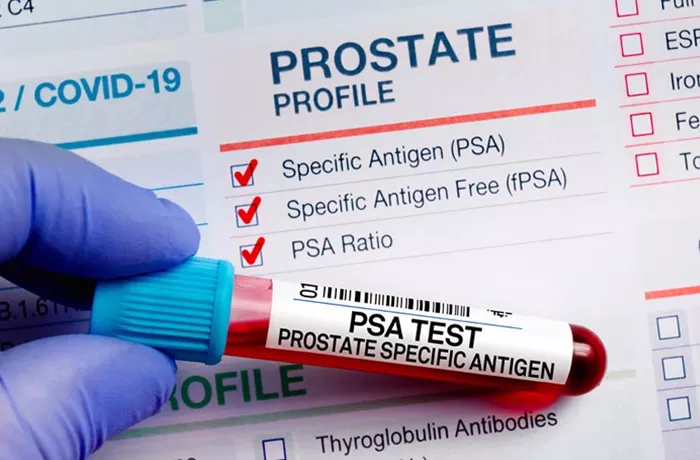
Currently, prostate cancer detection often relies on a blood test measuring prostate-specific antigen (PSA), a protein produced by the prostate gland. While elevated PSA levels may indicate cancer, other non-cancerous conditions like prostate enlargement or inflammation can also raise PSA levels, making the test less specific.
New draft clinical guidelines aim to clarify the role of PSA testing in prostate cancer detection, balancing the benefits of early diagnosis with the risks of overdiagnosis and overtreatment.
Life-saving Early Detection vs. Harmful Over-treatment
Early PSA testing can detect prostate cancer when treatment options such as surgery, radiation, or hormone therapy are most effective. However, these treatments can cause side effects including erectile dysfunction and urinary incontinence, affecting up to 14% of patients.
For low-risk prostate cancers confined to the prostate, doctors may recommend “active surveillance” — closely monitoring the disease without immediate treatment. This approach can prevent unnecessary side effects by delaying or avoiding treatment when the cancer remains stable.
The challenge with PSA testing lies in its tendency to over-diagnose slow-growing cancers that may never threaten a man’s life, as well as producing false positives. This can lead to unnecessary treatments that do more harm than good.
In a large, decades-long study of 182,000 men, PSA screening reduced prostate cancer deaths by 20%. However, to prevent one death, approximately 48 men were overtreated. This highlights the need for guidelines that strike a careful balance.
New Draft Guidelines to Improve PSA Testing
The Prostate Cancer Foundation of Australia has proposed draft guidelines aimed at reducing unnecessary treatments and minimizing harm:
Baseline PSA Test at Age 40: All men would be offered an initial PSA test at 40 to establish a baseline. Tracking PSA doubling time (how quickly PSA levels rise) helps identify aggressive cancers earlier and avoids unnecessary treatment of slow-growing tumors.
Regular Testing for Men Aged 50-69: Men in this age group would be recommended PSA testing every two years. For men over 70, PSA testing would be considered on a case-by-case basis, weighing life expectancy and overall health to avoid overtreatment.
Focus on High-Risk Groups: Men with a family history of prostate cancer have a threefold higher risk and would be prioritized for screening and early detection efforts.
These guidelines aim to provide clearer recommendations for PSA testing, enabling early detection of life-threatening prostate cancer while minimizing the harms of overdiagnosis and unnecessary treatment.
You May Also Like
Unnecessary PSA Testing In Elderly Men: A Growing Concern
Pros and cons of PSA screening for middle-aged and elderly men
