
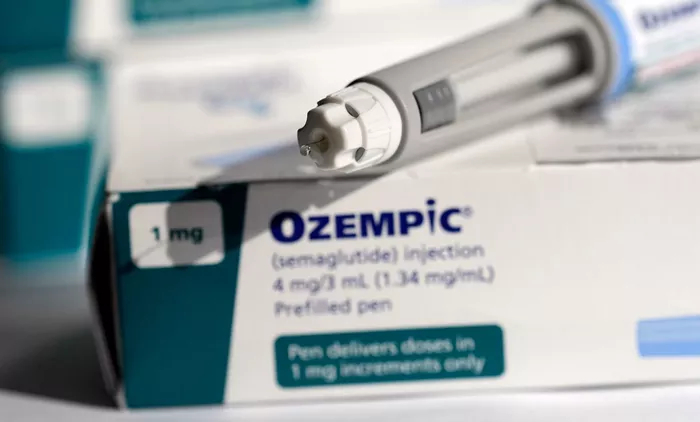
Men using popular weight loss medications like Ozempic may be gaining more than just a slimmer waistline. A new study has found that these drugs can also help restore healthy testosterone levels in men with Type 2 diabetes or obesity.
Researchers from SSM Health St. Louis University Hospital shared their findings this week at the Endocrine Society’s annual meeting. The team analyzed health data from 110 men, with an average age of 54, who were taking GLP-1 receptor agonists — a class of medications commonly used for weight loss and blood sugar control.
A Natural Hormonal Recovery
The study tracked testosterone levels before treatment and over an 18-month period while participants used the medication. Initially, nearly half of the men had low or borderline testosterone levels. By the end of the study, most had reached normal hormone ranges — without undergoing traditional testosterone replacement therapy (TRT).
Dr. Shellsea Portillo Canales, the study’s lead author, explained that while the hormone increases were less dramatic than those from TRT, the rise appeared to be the result of the body’s own natural recovery.
“The increases we observed were more modest than what you would typically see with testosterone replacement therapy,” she told NBC News. “However, they occurred naturally and likely reflect the body recovering its normal hormone production as weight and insulin resistance improved.”
More Than Weight Loss
These findings suggest that GLP-1 medications may provide a dual benefit: helping men lose weight and restoring their hormonal health. Testosterone therapy itself has been on the rise, with U.S. prescriptions increasing from 7.3 million in 2019 to over 11 million by 2024.
“This class of medications can now be considered not only for the treatment of obesity and controlling blood sugar but also for supporting men’s reproductive health,” said Dr. Portillo in a statement.
Expert Takeaway
Doctors recommend that men with obesity or Type 2 diabetes speak with their healthcare provider about the full benefits of GLP-1 drugs — especially if they are also experiencing symptoms of low testosterone such as fatigue, decreased libido, or muscle loss.
While testosterone replacement therapy remains an option, this research highlights a natural, health-forward path that addresses the root of the problem: excess weight and metabolic imbalance.
Related topics:
Weight Loss Drugs May Restore Testosterone in Obese Men, Study Shows
