
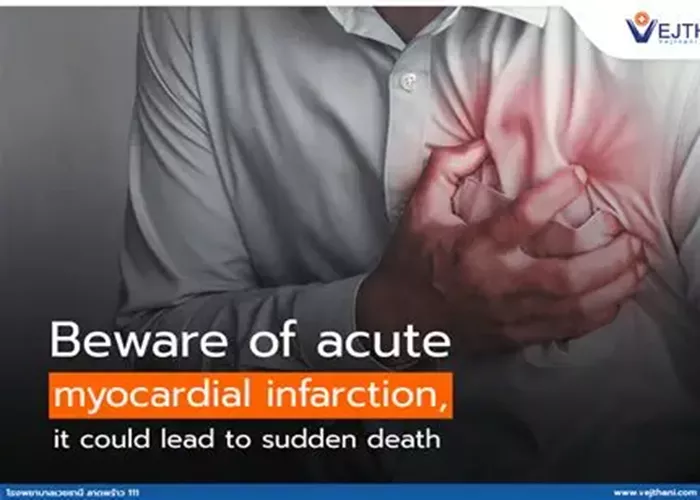
Recent cases at the Chest Pain Center of the Fifth Medical Center, PLA General Hospital, highlight a troubling trend: acute myocardial infarction (AMI) is no longer exclusive to the elderly.
A 39-year-old sanitation worker, Mr. Zhang, was diagnosed with extensive anterior wall myocardial infarction after sudden chest tightness and heavy sweating.
Meanwhile, a 37-year-old fitness coach, Mr. Li—who had long smoked and drunk excessively—dismissed his sudden chest pain during a workout as a stomach issue. Delaying treatment for hours left his heart muscle with irreversible damage.
Dr. Wang Jinda, director of the Cardiology Department at the Fifth Medical Center, notes a clear rise in AMI cases among adults under 45, even those in their 30s. Key triggers include chronic mental stress from high-intensity work, unhealthy habits like smoking and heavy drinking, sedentary lifestyles, irregular schedules, poor diets, lack of exercise, and insufficient sleep—all of which harm cardiovascular health.
Alarmingly, many young patients brush off warning signs like chest tightness or pain as “fatigue” or “stomach problems,” even taking painkillers, which wastes critical rescue time.
“The most typical sign of AMI is chest pain,” Dr. Wang emphasizes. Symptoms include persistent (15–20+ minutes) crushing or tight pain behind the sternum or in the precordial area, radiating to the left shoulder, inner arm, or neck, often with cold sweats, nausea, vomiting, or difficulty breathing.
Every second counts during an attack. Experts advise:
- Stop all activity and stay still.
- Immediately call 120, clearly stating “possible heart attack.”
- Request transport to a hospital with a chest pain center and emergency PCI capability.
- If blood pressure is normal, take nitroglycerin (a vasodilator for angina) cautiously.
Life is precious, and heart health demands attention. Recognizing AMI symptoms and knowing first aid can build a vital “heart defense” to save lives.
Related topics:
Intermittent Energy Restriction Offers Strong Benefits for Obesity and Diabetes
