
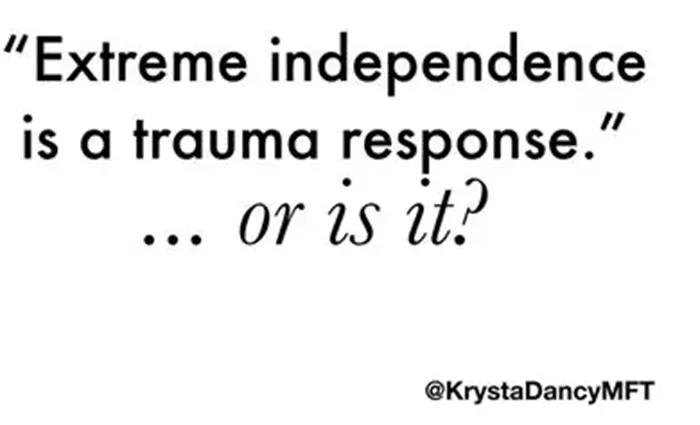
“Independence” is often celebrated as a mark of strength, self-reliance, and maturity. Yet a pattern psychologists call “extreme independence” is harming more people—especially in a culture that glorifies individualism and discourages vulnerability.
Extreme independents take pride in handling everything alone: careers, finances, emotions. They rarely ask for help or accept it, yet are quick to assist others. But this “strength” stems not from healthy confidence, but often from childhood survival strategies. Growing up in chaotic environments—where caregivers were emotionally unstable or addicted—children learn, “Dependency is unsafe.” They adapt by relying on themselves, even taking on adult-like responsibility, a phenomenon called “parentification,” where kids prioritize their caregivers’ needs over their own.
As these “precocious” children mature, they may develop strong responsibility and resilience, but remain hyper-vigilant in relationships, fearing intimacy and reliance. Beneath a facade of competence and calm, they often feel lonely, anxious, or disconnected from their true selves. This isn’t weakness—it’s tied to early brain development. Those denied emotional care in childhood often have overactive brain regions linked to emotional regulation, stuck in a “constant danger readiness” mode that persists into adulthood. Acts of support or care can feel threatening; vulnerability still equals risk, and closeness feels unsafe. This defense once protected them, but now blocks connection. Asking for help becomes a mental battle, as if needing others invites harm or abandonment.
The good news: Neuroplasticity—the brain’s ability to rewire through new experiences—offers a path forward. Extreme independents can gradually learn to trust, build intimacy, and reshape emotional patterns through safe interactions.
Repeated experiences of being understood in relationships restructure brain pathways for emotion regulation and trust. It’s a slow, challenging process, requiring practice: expressing needs in low-risk settings, letting guard down with trusted people. Over time, they learn: Having needs doesn’t make you a burden, and seeking support isn’t weakness.
True healthy independence means taking responsibility while being able to rely on others—not being forced to stand alone because “no one can be trusted.” The walls built for survival can be gently dismantled. In safe relationships, people discover: Vulnerability isn’t dangerous. Human connection is where strength lies.
“Independence” is often celebrated as a mark of strength, self-reliance, and maturity. Yet a pattern psychologists call “extreme independence” is harming more people—especially in a culture that glorifies individualism and discourages vulnerability.
Extreme independents take pride in handling everything alone: careers, finances, emotions. They rarely ask for help or accept it, yet are quick to assist others. But this “strength” stems not from healthy confidence, but often from childhood survival strategies. Growing up in chaotic environments—where caregivers were emotionally unstable or addicted—children learn, “Dependency is unsafe.” They adapt by relying on themselves, even taking on adult-like responsibility, a phenomenon called “parentification,” where kids prioritize their caregivers’ needs over their own.
As these “precocious” children mature, they may develop strong responsibility and resilience, but remain hyper-vigilant in relationships, fearing intimacy and reliance. Beneath a facade of competence and calm, they often feel lonely, anxious, or disconnected from their true selves. This isn’t weakness—it’s tied to early brain development. Those denied emotional care in childhood often have overactive brain regions linked to emotional regulation, stuck in a “constant danger readiness” mode that persists into adulthood. Acts of support or care can feel threatening; vulnerability still equals risk, and closeness feels unsafe. This defense once protected them, but now blocks connection. Asking for help becomes a mental battle, as if needing others invites harm or abandonment.
The good news: Neuroplasticity—the brain’s ability to rewire through new experiences—offers a path forward. Extreme independents can gradually learn to trust, build intimacy, and reshape emotional patterns through safe interactions. Repeated experiences of being understood in relationships restructure brain pathways for emotion regulation and trust. It’s a slow, challenging process, requiring practice: expressing needs in low-risk settings, letting guard down with trusted people. Over time, they learn: Having needs doesn’t make you a burden, and seeking support isn’t weakness.
True healthy independence means taking responsibility while being able to rely on others—not being forced to stand alone because “no one can be trusted.” The walls built for survival can be gently dismantled. In safe relationships, people discover: Vulnerability isn’t dangerous. Human connection is where strength lies.
Related topics:
How Can I Help My Girlfriend with Depression?
Simple Exercise Before 50 Greatly Boosts Brain Health in Later Life
Users Report Unexpected Changes in Sex Drive After Taking Ozempic
