
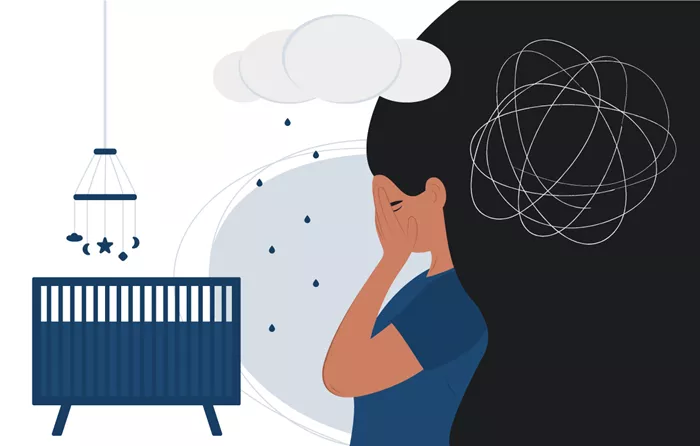
Postpartum anxiety is a common mental health condition that affects many women after giving birth. Unlike the more commonly known postpartum depression, anxiety can show up as constant worry, fear, or panic that interferes with daily life and caring for a baby. While a small amount of worry is normal for new mothers, postpartum anxiety becomes a problem when it feels overwhelming and never goes away.
This article offers a full guide on how to recognize, understand, and treat postpartum anxiety. You will learn about symptoms, causes, types, self-tests, and professional treatment options. We will also give warm, simple, and effective advice to help you or your loved one move toward healing.
What Is Postpartum Anxiety?
Postpartum anxiety is a mental health disorder that happens after childbirth. It is marked by intense and uncontrollable worry, fear, or nervousness. Many mothers feel anxious after giving birth, but this kind of anxiety doesn’t go away and often gets worse if left untreated.
How Common Is It?
According to experts, about 10% to 20% of new mothers experience postpartum anxiety. However, many cases go undiagnosed because people are more familiar with postpartum depression. Some women may even experience both conditions at the same time.
When Does It Start?
Postpartum anxiety can begin right after delivery or anytime within the first year. In some cases, it may even start during pregnancy. The symptoms can last for weeks or months, depending on the severity and treatment.
Common Symptoms of Postpartum Anxiety
Here are some common signs of postpartum anxiety. If you or someone you know is experiencing several of these symptoms for more than two weeks, it may be time to seek help:
- Constant worry that feels out of control
- Racing thoughts that make it hard to sleep
- Fear that something bad will happen to the baby
- Feeling tense, on edge, or irritable
- Muscle tension, headaches, or upset stomach
- Trouble focusing or concentrating
- Shortness of breath or rapid heartbeat
- Panic attacks
These symptoms can feel scary, but you are not alone. Many mothers go through this, and there is help available.
Postpartum Anxiety vs. Postpartum Depression
Postpartum anxiety is different from postpartum depression, though they can happen together. Understanding the difference helps you know what kind of help you need.
Postpartum Anxiety:
- Focuses on fear and worry
- Physical symptoms like a racing heart
- Obsessive thoughts about baby safety
- Often includes panic attacks
Postpartum Depression:
- Involves sadness, hopelessness, and crying
- Loss of interest in activities
- Feelings of guilt or worthlessness
- May include thoughts of self-harm or not wanting the baby
Both conditions are serious and deserve attention. If you feel overwhelmed, talk to a mental health professional for the right diagnosis.
Causes and Risk Factors
There is no single cause of postpartum anxiety. Instead, it is usually the result of many factors working together:
- Hormonal Changes: After childbirth, estrogen and progesterone levels drop. These changes can affect brain chemistry and mood.
- Lack of Sleep: New mothers often sleep very little. Poor sleep can raise anxiety levels.
- Personal History: Women with a past history of anxiety, depression, or trauma are at greater risk.
- Stressful Life Events: Relationship problems, financial stress, or a sick baby can all contribute to anxiety.
- Pressure to Be a “Perfect” Mom: Social media, cultural expectations, and personal beliefs can cause stress.
Types of Postpartum Anxiety Disorders
Postpartum anxiety can show up in different ways. Here are the most common types:
1. Generalized Anxiety Disorder (GAD)
This is when a mother feels constant worry about many things—not just the baby. These worries are usually hard to control and may last all day.
2. Panic Disorder
This includes sudden panic attacks, often with physical symptoms like chest pain, dizziness, or shortness of breath.
3. Postpartum Obsessive-Compulsive Disorder (OCD)
OCD after childbirth often includes upsetting thoughts or images (obsessions) and repeated behaviors (compulsions), like checking on the baby constantly.
4. Post-Traumatic Stress Disorder (PTSD)
Some mothers have PTSD after a traumatic birth or medical emergency. Symptoms include flashbacks, nightmares, and emotional numbness.
Do I Have Postpartum Anxiety? A Simple Self-Test
This short test is not a medical diagnosis but can help you decide if you should talk to a professional.
Answer yes or no to these questions:
- Do you feel very nervous, even when there’s no clear reason?
- Do you have trouble sleeping, even when the baby is asleep?
- Do you often fear something bad will happen to the baby?
- Do you feel like you can’t relax or sit still?
- Do you have scary or unwanted thoughts that won’t go away?
If you answered “yes” to three or more questions, consider talking to a doctor or therapist.
When to Seek Professional Help
Many mothers delay getting help because they feel ashamed or fear being judged. But asking for help is a sign of strength. If your anxiety gets in the way of daily life or your ability to care for your baby, it’s time to speak to a professional.
Call Your Doctor If:
- Your anxiety lasts longer than two weeks
- You have panic attacks or feel out of control
- You can’t sleep, eat, or think clearly
- You have thoughts of harming yourself or your baby
If you or someone you know is in crisis, please call a local emergency number or mental health helpline right away.
Treatment Options
Postpartum anxiety is treatable. Here are some of the most effective options:
1. Therapy
Cognitive Behavioral Therapy (CBT): This is one of the most effective treatments. It helps you change negative thoughts and behaviors.
Talk Therapy: Speaking with a trained counselor helps many mothers feel supported and understood.
2. Medication
In some cases, medication may be needed. Common medications include antidepressants and anti-anxiety drugs. These should always be discussed with a doctor, especially if you are breastfeeding.
3. Support Groups
Talking with other mothers who understand your struggles can bring comfort and healing. Many support groups are available online and in local communities.
4. Mindfulness and Relaxation
Practices like deep breathing, yoga, or meditation help calm your body and mind. These tools are easy to learn and can be used anywhere.
Self-Care Tips for Healing
In addition to therapy or medication, small daily habits can support your recovery.
- Sleep: Sleep whenever you can, even during the day. Lack of rest makes anxiety worse.
- Eat Well: Choose foods that keep your blood sugar stable. Avoid caffeine and sugar.
- Ask for Help: You don’t have to do everything alone. Ask family or friends to help with meals, chores, or the baby.
- Move Your Body: Light exercise like walking helps reduce anxiety.
- Limit Social Media: Take breaks from screens, especially if they make you feel pressure or guilt.
- Practice Self-Compassion: Talk to yourself kindly. You’re doing your best, and that is enough.
Helping a Loved One With Postpartum Anxiety
If someone you love is suffering from postpartum anxiety, your support can make a big difference.
- Listen without judgment
- Encourage them to speak to a doctor or therapist
- Help with baby care or household tasks
- Remind them that they’re not alone
Conclusion
Postpartum anxiety is real, but it is also treatable. You are not a bad mother, and you are not weak. You are experiencing a medical condition that can be healed with care, time, and support. Whether it’s through therapy, medication, lifestyle changes, or support groups, there is a path to feeling better. Be gentle with yourself and take that first step toward recovery today.
Related topics:
