
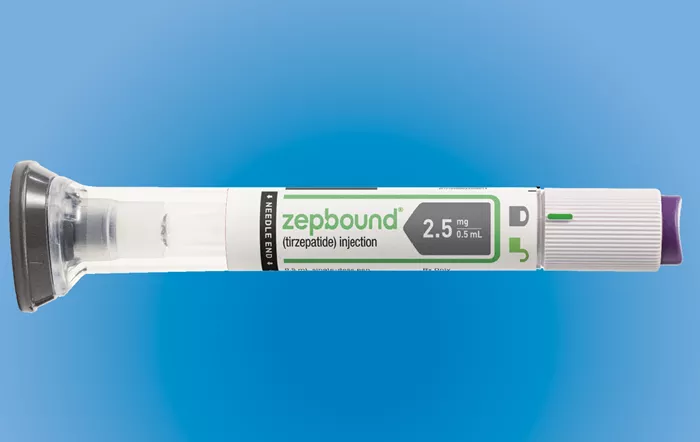
A recent study published in Scientific Reports reveals that tirzepatide outperforms other diabetes drugs in controlling blood sugar and promoting weight loss in adults with type 2 diabetes mellitus (T2DM).
The research compared eight Glucagon-Like Peptide-1 Receptor Agonists (GLP-1 RAs) against placebos and standard antidiabetic medications using a rigorous statistical approach called Bayesian network meta-analysis.
The Growing Burden of Type 2 Diabetes
Every ten seconds, a person is diagnosed with type 2 diabetes worldwide. This chronic disease not only increases medical expenses but also doubles the risk of heart attacks. By 2030, the number of people living with T2DM is expected to reach 643 million. Effective treatments that lower blood sugar without causing weight gain are urgently needed.
GLP-1 RAs help by increasing insulin secretion and reducing appetite. However, many different drugs exist within this class, varying in dosage, cost, and treatment length. Patients, doctors, insurers, and policymakers all want clear evidence about which treatments provide the best results with the fewest side effects.
About the Study
Researchers analyzed data from 64 randomized controlled trials including 25,572 participants. They studied eight GLP-1 RAs: twice-daily Exenatide (EBID), once-weekly Exenatide (EQW), Semaglutide, Albiglutide, Lixisenatide, Dulaglutide, Liraglutide, and Tirzepatide. These drugs were compared against each other, placebos, or common antidiabetic treatments such as insulin, metformin, and others.
Semaglutide’s oral and injectable forms were combined for analysis, reflecting their similar effectiveness. The research focused on changes in blood sugar markers — HbA1c and fasting plasma glucose (FPG) — along with weight, body mass index (BMI), blood pressure, cholesterol levels, and adverse effects.
Key Findings
Blood Sugar Control: Tirzepatide led with the largest reduction in HbA1c, dropping levels by 2.3 percentage points compared to placebo. Semaglutide and Liraglutide followed, reducing HbA1c by 1.5 and 1.2 points, respectively. Lixisenatide, uniquely, increased HbA1c by 0.23% compared to traditional drugs.
Fasting Plasma Glucose: Tirzepatide again showed the greatest improvement, lowering FPG by 3.1 mmol/L. Semaglutide and Liraglutide also performed well, reducing levels by 2.0 and 1.6 mmol/L.
Weight Loss: Tirzepatide produced an average weight loss of 9.1 kilograms versus placebo, vastly exceeding other drugs. Semaglutide lost 2.8 kilograms, EBID 1.8, and Liraglutide 1.2. Most other drugs showed no significant weight change.
Other Health Measures: No meaningful differences appeared among the drugs for blood pressure or cholesterol levels.
Safety: Gastrointestinal side effects like nausea and vomiting were common, especially with Semaglutide, Dulaglutide, Liraglutide, Lixisenatide, and Tirzepatide. These effects were roughly three times higher than with placebo but similar to older drugs known for such symptoms. Hypoglycemia risk varied: EBID and Semaglutide raised the risk, while Liraglutide and Lixisenatide lowered it.
What This Means for Patients and Clinicians
The study clearly ranks tirzepatide as the most effective treatment for lowering blood sugar and reducing weight in type 2 diabetes patients. Semaglutide consistently ranks second. Liraglutide offers moderate blood sugar control but has a lower risk of causing low blood sugar, making it suitable for older or leaner patients who may be more vulnerable.
Short-acting drugs and Albiglutide showed limited benefits, supporting a clinical shift toward longer-acting or dual-action therapies like tirzepatide.
Conclusion
Long-acting GLP-1 receptor agonists represent a significant advance in treating type 2 diabetes. Tirzepatide leads in combined blood sugar control and weight loss, followed by Semaglutide. Liraglutide may be preferred for patients at risk of hypoglycemia.
Healthcare providers should consider each patient’s weight goals, tolerance for gastrointestinal side effects, and hypoglycemia risk when choosing treatment. Policymakers and insurers may prioritize tirzepatide and semaglutide for obesity-linked diabetes, reserving liraglutide for those needing a gentler option.
READ MORE
