
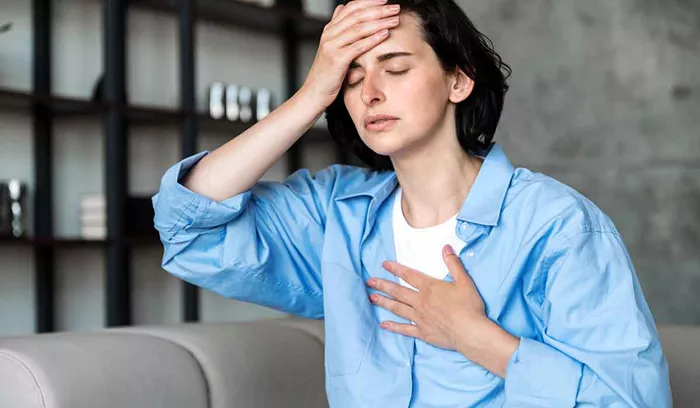
Shernaz Engineer was 50 when she first felt pain in her arm. A physiotherapist told her it was just a trapped nerve. But days later, she walked into an A&E and was told she had suffered a heart attack.
Now 69, Shernaz is working to raise awareness about heart disease in women. Like many others, she didn’t think it could happen to her.
“I didn’t believe the diagnosis at first,” she said. “As a woman, I always feared breast cancer because that’s what we hear about. But heart attacks? You rarely hear women talking about that.”
Yet, coronary heart disease (CHD) is the leading cause of death for women worldwide. In the UK, it kills twice as many women as breast cancer. The British Heart Foundation (BHF) says about 33,000 women are admitted to hospital for heart attacks in the UK each year—roughly one every 16 minutes.
Women Face Delays and Misdiagnosis
Dr. Sonya Babu-Narayan, associate medical director at the BHF, says women face serious challenges when it comes to heart attacks.
“They are more likely to be misdiagnosed or diagnosed too late,” she said.
Several factors play a role: lower awareness, delays in seeking help, and fewer prescriptions for preventative treatments before a heart attack occurs.
Recent data from the national audit program CVDPREVENT shows women with cardiovascular disease are 50% less likely than men to be given cholesterol-lowering medication, such as statins. Around 200,000 women in the UK have high cholesterol but no recent prescription for such treatment.
Jules Payne, head of the charity Heart UK, says this gap in care is troubling.
“The healthcare system is failing women when it comes to managing cholesterol, even after they’ve been diagnosed,” she said. “We need better prevention and long-term care, especially after menopause or a heart attack.”
Technology and Treatment Still Fall Short
An investigation using the NHS’s Babylon GP at Hand app showed how algorithms may also be biased. When entering the same heart attack symptoms for a 60-year-old male and female smoker, the app diagnosed a panic attack for the woman and a possible heart attack for the man.
Other studies show similar patterns. A 2024 study in the journal Heart found that women, Black people, and low-income individuals are less likely to receive heart surgery in England.
Even when women do receive surgery, they often face worse outcomes. Research from Leeds University, funded by the BHF, estimated that poor care for women with CHD contributed to over 8,200 avoidable deaths between 2002 and 2013 in England and Wales.
“Women are less likely to be offered stents, heart surgery, or cardiac rehab,” said Dr. Babu-Narayan. “This increases the risk of having another heart attack.”
Shernaz Had No Obvious Risk Factors
Shernaz, who lives in central London, had no typical signs of cardiovascular risk. She didn’t smoke, rarely drank, and had never been told her cholesterol was high. So when her arm began to hurt, she visited a physiotherapist instead of a doctor.
“The pain became unbearable, like a band of pressure around me,” she recalled. “I couldn’t lie down, so I sat on the sofa all night. At 8 a.m., I walked to a private A&E near my home. That’s when they diagnosed the heart attack and sent me to Hammersmith Hospital. The NHS were brilliant.”
After receiving a stent, she was finally prescribed statins. But if cholesterol checks had been standard earlier, doctors might have caught her condition before the heart attack. The NHS only introduced Mid Life Health Checks in 2017 for those aged 40–74.
Experts Call for Urgent Change
Dr. Jaimini Cegla, a consultant at Imperial College Healthcare NHS Trust, says Shernaz’s story is not unique.
“CVD is still wrongly seen as a man’s disease,” she said. “That belief causes women to be underdiagnosed and undertreated. Even when they show symptoms, they’re less likely to get the tests or care they need.”
She adds that doctors must confront their biases and ensure equal care for all.
Today, Shernaz takes statins, blood thinners, aspirin, and blood pressure medication. Her heart attack caused a 30% drop in heart function. She sometimes gets short of breath, but it hasn’t slowed her down.
“I’m lucky to be alive,” she said. “Now I want to help other women understand that heart disease is just as serious as cancer.”
Know the Risk Factors and Symptoms
General Risk Factors
- High blood pressure
- High cholesterol
- Diabetes
- Smoking
- Poor diet and inactivity
- Drinking more than 14 units of alcohol per week
- Family history of heart disease
Women-Specific Risk Factors
- Starting periods at an early age
- Miscarriages or stillbirths
- High blood pressure or diabetes during pregnancy
- Early menopause
- Drop in oestrogen levels, which can raise cholesterol and blood pressure
Common Heart Attack Symptoms
- Sudden chest pain, tightness, or pressure that doesn’t go away
- Pain spreading to arms, back, neck, jaw, or stomach
- Shortness of breath
- Feeling dizzy, faint, or light-headed
- Nausea, vomiting, or indigestion-like pain
- Sweating or cold sweats
- Sudden anxiety or panic-like feeling
If you think you are having a heart attack, call 999 immediately.
READ MORE
