
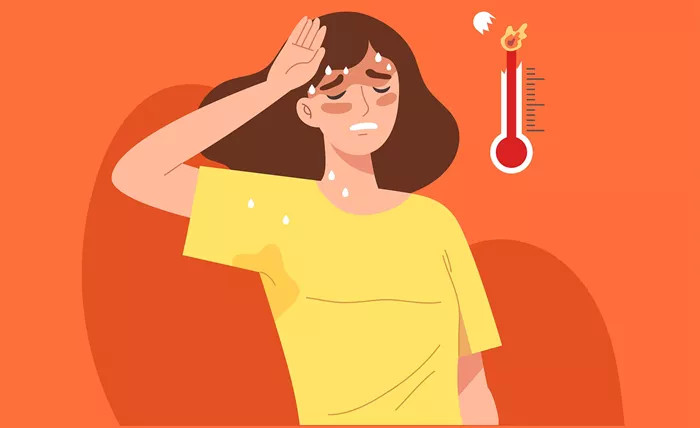
Summer in the Brazos Valley is known for its intense heat, with July and August temperatures often soaring into the mid to upper 90s. Combined with high humidity, the heat index can easily climb into the triple digits, posing risks to health.
Kimberly McBride, a family medicine nurse practitioner at Health Point, emphasizes the importance of staying well hydrated during these hot months. She advises drinking at least six eight-ounce glasses of water daily—and even more when spending time outdoors.
Hydration is Essential
Water is critical for maintaining body temperature and replacing fluids lost through sweat. McBride recommends:
Drink water regularly, even if you don’t feel thirsty. Thirst is often a late sign of dehydration.
Avoid caffeinated and alcoholic beverages, as they can cause dehydration.
Include electrolyte-rich drinks if you are sweating heavily during outdoor activities or exercise to replenish essential minerals like sodium and potassium.
Wear Appropriate Clothing and Sun Protection
Choose light-colored, loose-fitting, and breathable fabrics such as cotton or moisture-wicking materials to keep cool.
Use a wide-brimmed hat to protect your head and face from direct sunlight.
Apply sunscreen with SPF 30 or higher to exposed skin and reapply every two hours, or after swimming or sweating.
Wear UV-protective sunglasses to shield your eyes from harmful rays.
Plan Activities to Avoid Peak Heat Hours
The sun is strongest between 10 a.m. and 4 p.m. Aim to limit outdoor work or exercise during these hours.
Schedule physical activities for early morning or late evening when temperatures are lower.
Take frequent breaks in shaded or air-conditioned areas when outside for extended periods.
Recognize Heat-Related Illness Symptoms
Heat exhaustion and heat stroke can develop quickly:
Heat Exhaustion Symptoms: Heavy sweating, weakness, cold or clammy skin, headache, nausea, dizziness, muscle cramps.
Heat Stroke Symptoms: High body temperature (above 103°F), hot dry skin or profuse sweating, rapid pulse, confusion, loss of consciousness.
If someone shows signs of heat stroke, call 911 immediately. Move the person to a cool place, loosen clothing, and try to cool them down with wet cloths or a fan while waiting for emergency help.
Take Care of Vulnerable Populations
Children and elderly people are more susceptible to heat stress due to less efficient body temperature regulation.
Individuals with chronic conditions such as heart disease, diabetes, or respiratory problems should take extra precautions.
Check on neighbors, relatives, or friends who might need help during extreme heat.
Keep Your Home Cool and Safe
Use fans or air conditioning to maintain indoor temperatures below 78°F when possible.
If you don’t have air conditioning, consider visiting public places like malls, libraries, or community centers during hot periods.
Close blinds or curtains during the day to block out heat from sunlight.
Eat Light and Stay Nourished
Opt for light, easily digestible meals such as salads, fruits, and vegetables.
Avoid heavy, hot foods that can increase your internal body temperature.
Stay mindful of food safety — hot weather can increase the risk of food spoilage and foodborne illnesses.
Practice Smart Exercise Habits
Exercise in cooler parts of the day and stay hydrated before, during, and after workouts.
Wear appropriate clothing and take breaks to avoid overheating.
Listen to your body — if you feel dizzy, weak, or nauseous, stop exercising immediately.
By following these detailed health guidelines, you can protect yourself and your loved ones from the dangers of extreme heat, helping ensure a safe and enjoyable holiday weekend.
Read more:
