
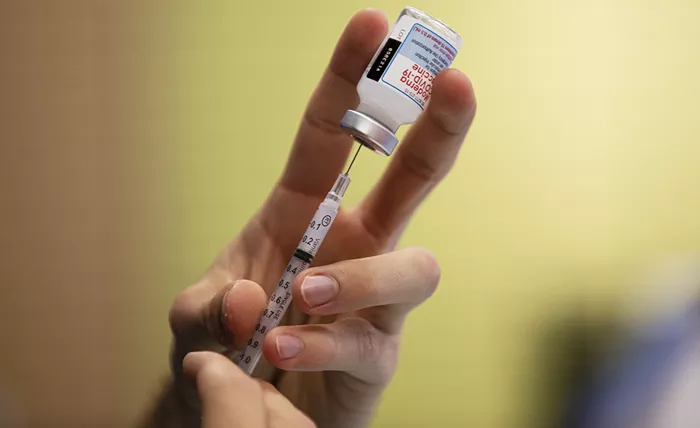
A U.S. health advisory panel has voted to stop recommending flu vaccines that contain a rare preservative called thimerosal—a decision pushed by Health and Human Services Secretary Robert F. Kennedy Jr. and supported by vaccine skeptics.
The vote marks a major win for Kennedy, a longtime critic of vaccines, and shows how his views are beginning to influence national health policies. The decision came after the panel heard from just one vaccine critic and went against long-standing scientific guidance.
Thimerosal is a mercury-based ingredient once used to keep vaccines free from bacteria. While some older flu shots still contain it, most vaccines today do not. Studies over many years have shown that thimerosal is safe and not linked to any health problems.
Why This Matters
Public health experts say the move may not affect most people right away since the majority of flu shots already don’t contain thimerosal. But they warn that removing the recommendation could:
Make flu shots more expensive
Limit access in rural or underserved areas
Send a message that goes against science
Experts also say the vote is worrying because it shows the panel is willing to act on claims that are not supported by strong evidence.
“This decision won’t change much in the short term, but it sets a dangerous example,” said one public health researcher. “It sends a signal that science can be ignored for politics.”
What Is Thimerosal?
Thimerosal has been used for decades to prevent bacteria from growing in multi-dose vaccine vials. In the early 2000s, most vaccines began removing it due to public concerns, not because of proven risks. Health authorities like the CDC and the World Health Organization have repeatedly stated that thimerosal is safe in the small amounts used in vaccines.
Still, anti-vaccine groups have pushed for its removal, wrongly linking it to autism—claims that have been widely debunked by scientists.
A Controversial Win for RFK Jr.
Kennedy, who was recently appointed to lead Health and Human Services, has been known for his critical stance on vaccines. This vote represents a big policy shift influenced by his views, and many experts worry it could be the first of more changes that go against mainstream science.
The move also highlights a larger concern: that personal beliefs may now be shaping national vaccine policy, even when they contradict medical research.
