
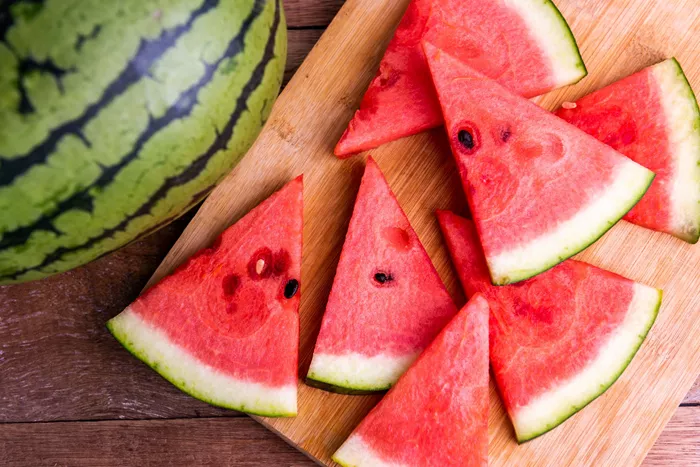
Watermelon isn’t just a sweet summer treat—it’s a powerful fruit packed with nutrients that support your hydration, heart health, and immune system. With 92% water content and rich in essential vitamins, this fruit does more for your health than most realize.
1. Keeps You Hydrated Naturally
Watermelon is made up almost entirely of water, helping you meet your daily hydration goals with ease. Just one cup can count toward the recommended daily intake of 11.5 cups for women and 13 cups for men. Plus, it contains potassium and magnesium—key electrolytes that support fluid balance in the body.
2. A Natural Source of Antioxidants
This fruit gets its vibrant pink hue from lycopene, an antioxidant that helps fight free radical damage. Lycopene and vitamin C work together to reduce oxidative stress, which may lower your risk of chronic diseases like heart disease, cancer, and cognitive decline.
3. Strengthens Your Immune System
Watermelon is a good source of vitamin C and vitamin A, both crucial for immune function and skin health. These vitamins, along with plant compounds like beta carotene, may help your body defend itself against infections and inflammation.
4. Supports Heart Health
Watermelon is cholesterol-free, fat-free, and low in sodium. Its lycopene content has been linked to lower cholesterol and blood sugar levels, contributing to better cardiovascular health. It also has a low glycemic load, meaning it won’t spike your blood sugar like many other sweet treats.
5. Low in Calories, High in Nutrients
Here’s what you get in one cup of raw, diced watermelon:
Calories: 46
Carbohydrates: 12g
Sugars: 9g (naturally occurring)
Vitamin C: 20% of your daily needs
Vitamin A: 5%
Potassium: 4%
Magnesium: 4%
With virtually no fat or added sugars, watermelon makes a nutrient-dense, guilt-free snack.
6. Safe for Most People—but Be Cautious
While watermelon is generally safe, people with diabetes or insulin resistance should monitor portion sizes due to natural sugars. Additionally, some may experience oral allergy syndrome, especially if allergic to grasses or fruits like peaches and melons. Symptoms such as throat itching or swelling warrant immediate medical attention.
7. Delicious and Versatile Ways to Enjoy It
Salad: Try it with feta and blueberries for a refreshing twist.
Smoothie: Blend with strawberries or coconut yogurt for a hydrating drink.
Sherbet: Mix with condensed milk and lime for an easy frozen dessert.
Fruit Pizza: Top a watermelon slice with yogurt and berries for a fun, nutritious treat.
Conclusion
Watermelon is more than a summertime snack—it’s a health-boosting superfruit. With hydration benefits, antioxidant protection, immune support, and heart health perks, it deserves a spot in your regular diet. Just stick to two servings a day to avoid overloading on natural sugars.
Read more:
