
Regular physical activity is long known for preventing chronic illnesses like heart disease and diabetes—but a major new study now shows it can also help cancer patients live longer and avoid recurrence. Published in The New England Journal of Medicine, the landmark trial reveals that structured exercise programs can drastically improve long-term health outcomes in individuals recovering from colon cancer.
Exercise Cuts Cancer Recurrence and Death Risk
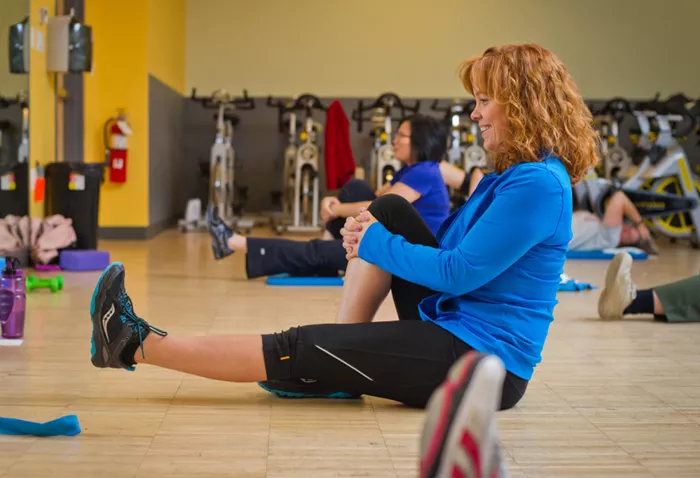
The study tracked nearly 900 patients who had completed treatment for stage III or high-risk stage II colon cancer. Participants were split into two groups: one received standard post-treatment health advice, while the other engaged in a structured exercise regimen with regular coaching and supervised sessions.
After about eight years of follow-up, results were clear and dramatic. The exercise group showed:
- 28% lower risk of cancer recurrence or new cancer development
- 37% lower risk of death during the study period
- Improved cardiovascular fitness, as measured by walking distance and VO₂ max scores
“This is the kind of result we would celebrate if it came from a new drug,” says Dr. Leana Wen
CNN’s wellness expert, Dr. Leana Wen, highlighted the importance of these findings, stressing that they could shift how doctors and patients think about cancer recovery. “If a pill reduced cancer recurrence by 28% and death by 37%, it would be headline news. We should treat exercise with the same urgency,” Wen explained.
The study reinforces previous observational data and confirms, with randomized trial evidence, that exercise is not just safe for cancer patients—it is therapeutic.
Why Does Exercise Help Fight Cancer?
According to Wen, there are several biological reasons physical activity may reduce cancer risk:
- Helps maintain a healthy weight—obesity is a known cancer risk factor
- Regulates hormones linked to tumor growth
- Reduces chronic inflammation, which may contribute to cancer development
How Much Exercise is Enough?
The U.S. CDC recommends:
150 minutes of moderate to vigorous exercise per week
(e.g., brisk walking, cycling, swimming)
But Dr. Wen emphasizes: something is always better than nothing. Even short bursts—called “exercise snacks”—such as climbing stairs or doing squats while brushing your teeth can add up.
Small Daily Choices, Big Health Impact
For people struggling to meet exercise goals, Wen recommends:
- Taking walking meetings instead of sitting at your desk
- Parking farther away from your destination
- Using stairs more often
- Doing brief physical chores throughout the day
These seemingly minor changes can contribute to overall fitness and support cancer prevention efforts.
Implications for Cancer Treatment Protocols
Wen urges that oncologists and general practitioners begin “prescribing” exercise the same way they prescribe medications. Follow-up appointments should include discussions about physical activity. Ideally, insurance companies might begin covering access to health coaches or supervised programs as part of standard cancer recovery.
Final Takeaway: Movement is Medicine
This groundbreaking study confirms what many suspected: exercise is a powerful, evidence-backed tool in cancer recovery. Far beyond general wellness, it can dramatically reduce the chances of cancer returning—and save lives. If you’re a cancer survivor or currently in remission, structured physical activity might just be one of the most effective treatments available.
Summary Points:
Exercise lowers cancer recurrence risk by 28% and death risk by 37%
Regular physical activity enhances cardiovascular fitness in survivors
Short, consistent movements throughout the day also matter
Medical professionals should incorporate exercise guidance into recovery plans
You Might Be Interested In:
