
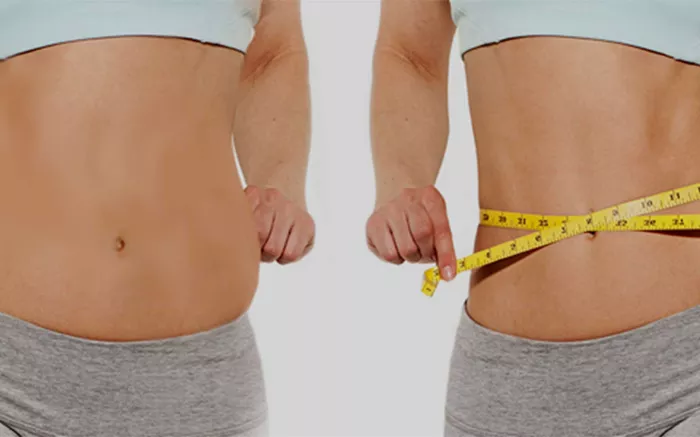
Menopause is a natural stage in a woman’s life. It usually happens between ages 45 and 55. During this time, the body produces less estrogen. This hormone change can lead to weight gain, especially around the belly. Many women notice it even when their habits don’t change.
Weight gain during menopause can be frustrating. You may feel like nothing works, even if you eat well and exercise. But don’t worry. You can manage your weight with the right steps. Understanding how your body changes is the first step.
Why Does Weight Gain Happen During Menopause?
There are several reasons women gain weight during menopause:
- Hormone changes: Lower estrogen levels may affect how fat is stored.
- Muscle loss: After age 40, people naturally lose muscle. Less muscle means a slower metabolism.
- Slower metabolism: Your body burns fewer calories, even at rest.
- Less physical activity: Many women move less during this stage of life.
- Poor sleep: Hot flashes and night sweats can disturb sleep, which may lead to weight gain.
Step 1: Eat a Healthy and Balanced Diet
What you eat matters more during menopause. Focus on whole foods and avoid processed snacks. Here are some easy tips:
- More fiber: Eat vegetables, fruits, whole grains, and legumes to feel full longer.
- Protein at every meal: Eggs, fish, chicken, tofu, or beans help maintain muscle mass.
- Healthy fats: Add avocado, nuts, seeds, and olive oil for long-lasting energy.
- Limit sugar and refined carbs: These cause blood sugar spikes and may increase fat storage.
Simple Meal Example
For breakfast, try oatmeal with berries and almonds. For lunch, a grilled chicken salad with olive oil dressing. At dinner, enjoy baked salmon, steamed vegetables, and quinoa.
Step 2: Stay Active Every Day
Exercise helps you burn calories and protect your muscles. You don’t need to do intense workouts. Just move your body regularly. Here are good options:
- Walking: Try 30 minutes a day. It’s gentle and improves heart health.
- Strength training: Use light weights or bodyweight exercises 2–3 times a week.
- Yoga or stretching: These help with flexibility, stress, and sleep.
- Try new things: Swimming, dancing, or biking can make exercise fun.
Tips to Stay Motivated
- Join a walking group or a local fitness class.
- Put it in your schedule like any other appointment.
- Celebrate small wins to keep yourself going.
Step 3: Sleep Well Every Night
Good sleep supports weight loss. When you sleep poorly, your hunger hormones get out of balance. You may eat more and crave unhealthy foods. Try these tips for better sleep:
- Go to bed and wake up at the same time daily.
- Keep your bedroom cool and dark.
- Don’t use screens before bedtime.
- Try relaxation routines like deep breathing or gentle music.
Step 4: Manage Stress
Stress raises the hormone cortisol. This hormone can lead to weight gain around your belly. It also makes it harder to stick to healthy habits. Try these methods to reduce stress:
- Meditation or mindfulness: Just 5–10 minutes can help calm your mind.
- Deep breathing: Breathe in slowly, hold, and breathe out. Repeat.
- Journaling: Write your thoughts to clear your mind.
- Talk to someone: Share your feelings with a friend or therapist.
Step 5: Stay Hydrated
Drinking water is important. Sometimes, you may feel hungry when you’re actually thirsty. Try to drink 6–8 glasses of water every day. It also helps reduce bloating and improves digestion.
Step 6: Watch Portion Sizes
Your body needs fewer calories as you age. Even if you eat the same foods, larger portions can add extra weight. Use smaller plates, eat slowly, and stop when you feel full. Avoid eating in front of the TV or while scrolling your phone.
Step 7: Limit Alcohol
Alcohol adds extra calories and can disturb your sleep. Try to cut back or save it for special occasions. If you enjoy wine or cocktails, drink slowly and follow with water.
Step 8: Check Your Hormones and Health
If you’re trying everything but still gaining weight, see your doctor. Some health problems, like thyroid issues or insulin resistance, can make weight loss harder. Blood tests can check your hormone levels and guide treatment if needed.
Step 9: Be Kind to Yourself
Menopause is a big life change. Your body is doing its best. Focus on health, not just the scale. Progress takes time. Celebrate your efforts, even small ones. You deserve to feel strong and confident at every age.
FAQs About Losing Weight During Menopause
1. Can I lose belly fat during menopause?
Yes. While it may take longer than before, you can lose belly fat with a healthy diet, regular exercise, and stress management. Strength training and sleep also help.
2. Should I take hormone therapy to lose weight?
Hormone therapy is not a weight loss treatment. But for some women, it may help improve symptoms like poor sleep or mood changes. Talk to your doctor to see if it’s right for you.
3. How long does it take to see results?
Everyone is different. Some women notice changes in a few weeks. Others may need a few months. Be patient and stay consistent. Healthy habits will bring results over time.
Conclusion
Weight loss during menopause is possible. Focus on eating well, moving your body, sleeping better, and reducing stress. Take it one step at a time. Your body may be changing, but you still have control. Small changes can lead to lasting results.
Related topics:
