
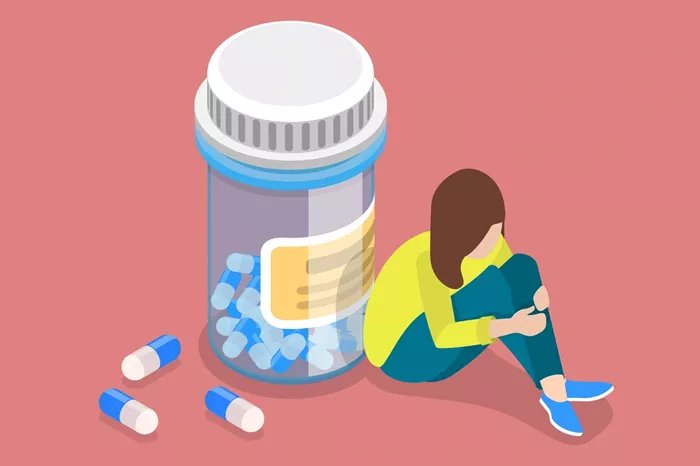
Substance Use Disorder (SUD) is a serious mental health condition that affects how a person thinks, feels, and behaves when using drugs or alcohol. It can cause problems in relationships, work, school, and health. In this article, we will explain everything you need to know about SUD in simple and easy language. We will explore the symptoms, causes, types, tests, treatments, and how to get help. Our goal is to help you understand this condition and support those who may be struggling.
What Is Substance Use Disorder?
Substance Use Disorder (SUD) is a mental health disorder where a person has trouble controlling their use of substances like alcohol, prescription drugs, or illegal drugs. It is more than just using drugs sometimes. SUD means a person keeps using a substance even when it causes harm to their body, mind, or life. It affects the brain and makes it hard for a person to stop using, even if they want to.
The Difference Between Use, Misuse, and Disorder
It’s important to know the difference:
- Use: Using a substance occasionally, like drinking a glass of wine.
- Misuse: Using too much or in unsafe ways, like drinking until blackout.
- Disorder: When the use becomes a repeated pattern that harms health or daily life.
Types of Substances Involved in SUD
SUD can involve many substances. Some of the most common include:
1.Alcohol
One of the most widely used substances. Alcohol Use Disorder is a type of SUD.
2.Opioids
This includes prescription painkillers like oxycodone and illegal drugs like heroin.
3.Stimulants
Includes cocaine, methamphetamine, and prescription drugs like Adderall when misused.
4.Depressants
Includes medications for anxiety and sleep like benzodiazepines (e.g., Xanax).
5.Hallucinogens
Includes LSD, ecstasy, and other drugs that change perception.
6.Cannabis
Though often seen as harmless, long-term misuse can lead to Cannabis Use Disorder.
Symptoms of SUD
The symptoms of SUD can vary, but some common signs include:
- Strong cravings or urges to use the substance
- Using more than planned or for longer periods
- Trying to cut down but not being able to
- Spending a lot of time getting, using, or recovering from the substance
- Problems at work, school, or home
- Giving up activities once enjoyed
- Using in risky situations, like while driving
- Building tolerance (needing more for the same effect)
- Withdrawal symptoms when not using
What Causes SUD?
There is no single cause of SUD. It is usually a mix of many factors:
Genetics
Some people are born with a higher risk of addiction due to family history.
Mental Health
People with anxiety, depression, or trauma are more likely to develop SUD.
Environment
Stressful surroundings, peer pressure, or lack of support can lead to substance use.
Early Use
Using substances at a young age increases the risk of SUD later in life.
How SUD Affects Mental Health
SUD can make existing mental health problems worse and create new ones. Here are some ways it affects the mind:
- Increases feelings of anxiety and depression
- Changes how the brain controls mood and behavior
- Leads to poor decision-making and risky behavior
- Causes memory problems and confusion
- Can lead to suicidal thoughts or actions
Tests and Diagnosis
Doctors and mental health professionals use specific tools to diagnose SUD. These include:
DSM-5 Criteria
The Diagnostic and Statistical Manual of Mental Disorders (DSM-5) lists 11 symptoms. A person must have at least 2 symptoms in 12 months to be diagnosed with SUD.
Questionnaires
Common screening tools include:
- DAST (Drug Abuse Screening Test)
- AUDIT (Alcohol Use Disorders Identification Test)
- ASSIST (Alcohol, Smoking and Substance Involvement Screening Test)
Blood or Urine Tests
These help detect drugs in the body but do not diagnose SUD on their own.
Treatment Options
The good news is that SUD is treatable. There are many ways to help someone recover:
Detox
This is the first step, where the body gets rid of the substance. It often needs medical help to deal with withdrawal symptoms.
Counseling and Therapy
Talking to a mental health professional is a key part of recovery. Common types of therapy include:
- Cognitive Behavioral Therapy (CBT)
- Motivational Interviewing (MI)
- Group therapy
- Family therapy
Medication
Some people may need medicine to help reduce cravings or withdrawal symptoms. Examples include:
- Methadone and Buprenorphine for opioids
- Naltrexone for alcohol and opioids
- Disulfiram for alcohol
Self-Care and Lifestyle Changes
Recovery is a journey. These self-care tips can help:
- Stay connected to support networks
- Exercise regularly
- Get enough sleep
- Eat a healthy diet
- Avoid triggers and risky situations
- Practice mindfulness or meditation
How to Help a Loved One With SUD
Supporting someone with SUD can be hard, but your care can make a difference. Here are some tips:
- Learn about SUD to understand what they are facing
- Be patient and kind
- Encourage them to seek professional help
- Join a support group for families
- Set boundaries to protect your well-being
When to Seek Emergency Help
Sometimes SUD can lead to dangerous situations. Seek immediate help if someone:
- Has trouble breathing or loses consciousness
- Shows signs of overdose
- Is having suicidal thoughts
Call emergency services or go to the nearest hospital right away.
Frequently Asked Questions (FAQs)
Can SUD go away on its own?
It’s rare for SUD to go away without help. Most people need treatment and support.
Is SUD a mental illness?
Yes. SUD is recognized as a mental health disorder. It changes the brain’s chemistry and behavior.
Can a person fully recover from SUD?
Yes. Many people recover and lead happy, healthy lives. Recovery may take time, and some may face setbacks, but support and treatment help.
Conclusion
Substance Use Disorder is a serious but treatable mental health condition. It affects the brain, behavior, and overall well-being. With the right support, therapy, and sometimes medication, people can recover and rebuild their lives. If you or someone you care about is struggling with SUD, don’t wait to seek help. You are not alone, and recovery is possible.
