
In a move to boost cancer prevention and save more lives, the UK government will begin offering at-home cervical cancer screening kits to women who have not participated in routine smear tests. This initiative is part of a broader 10-year health reform plan to make healthcare more accessible and focused on prevention.
According to the Department of Health and Social Care, the self-testing kits are designed to address the common barriers that discourage women from attending traditional cervical screenings, such as embarrassment, discomfort, cultural sensitivities, or lack of time due to busy lifestyles.
Screening Rates Still Too Low
Cervical screening—commonly known as a smear test—is offered on the NHS to women and people with a cervix aged 25 to 64. Those aged 25 to 49 are invited every three years, while those 50 to 64 are invited every five years.
Despite this, current screening participation stands at just 68.8%, far short of the NHS England target of 80%. As a result, over five million women in England are currently overdue for their check-ups.
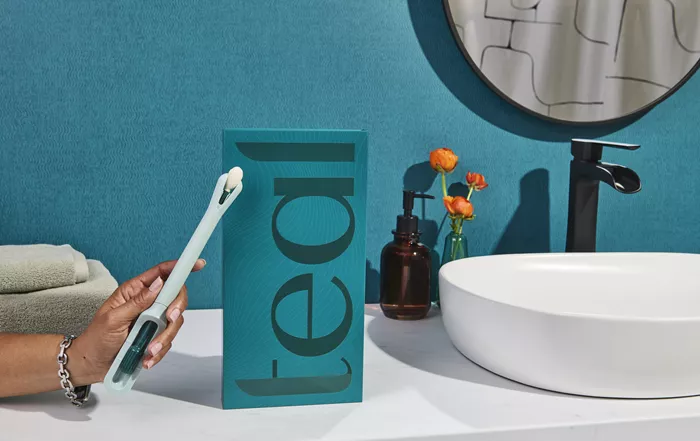
To address this, the government will now send HPV self-sample kits—which detect the human papillomavirus, the primary cause of cervical cancer—to women who rarely or never attend screenings. These kits will be mailed in discreet packaging and returned via prepaid post. If HPV is detected, the person will be advised to attend a follow-up appointment for further testing.
A Life-Saving Shift in Prevention
Health experts have long emphasized the importance of early detection. Cervical cancer screenings help save around 5,000 lives each year in England.
Health Secretary Wes Streeting praised the home kits, calling them “healthcare that works around people’s lives.” He added: “By making screening more convenient, we’re tackling the barriers that keep millions of women from potentially life-saving tests.”
Real Lives, Real Impact
Gem, a woman who was diagnosed with cervical cancer in 2015, welcomed the initiative: “I’ve been cancer-free for years, but I still live with the consequences of my diagnosis. I hope we see a day when cervical cancer is eliminated. This home-testing option removes barriers that stop people from going—and it will save lives.”
Michelle Mitchell, CEO of Cancer Research UK, echoed this sentiment: “Screening is a powerful tool, but it’s not always easy for everyone to attend. These new home kits will help make the process more accessible.”
A New Direction for the NHS
This step forms part of the upcoming 10-year NHS health plan, which aims to transition the health service from reactive to preventive care. By enabling early detection through simple and private home testing, the government hopes to create a more effective system that helps stop cancer before it starts.
Related topics:
