
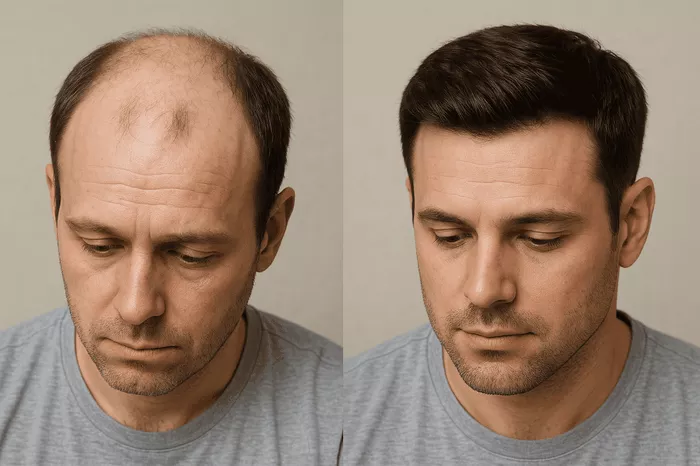
Hair loss affects millions of people worldwide and can have a significant impact on confidence and appearance. Hair transplants are a popular solution, offering a permanent way to restore hair. However, many people wonder whether a single hair transplant is enough to achieve their desired results. In this article, we will explain how hair transplants work, the factors that influence the number of sessions required, and what you can realistically expect from one transplant. We will also cover recovery, tips for maximizing results, costs, myths, and frequently asked questions to help you make an informed decision.
Understanding Hair Transplants
A hair transplant is a surgical procedure that moves hair follicles from one part of the body, called the donor site, to a bald or thinning area, called the recipient site. Hair transplants are most commonly used to treat male pattern baldness, but they can also help women with hair loss, scars from injuries, or other medical conditions.
How Hair Transplants Work
There are two main types of hair transplant procedures:
1. Follicular Unit Transplantation (FUT)
FUT, also known as the strip method, involves removing a strip of scalp from the donor area, usually the back of the head. The strip is then divided into individual follicular units and transplanted to the thinning areas. FUT can cover larger areas in a single session, but it leaves a linear scar at the donor site.
2. Follicular Unit Extraction (FUE)
FUE involves removing individual hair follicles directly from the donor area and transplanting them to the thinning area. This method leaves tiny dot-like scars and usually has a faster recovery time. FUE is popular because it is less invasive and can be repeated if needed.
Factors Affecting the Number of Hair Transplants Needed
Whether one hair transplant is enough depends on several factors:
1. Extent of Hair Loss
The degree of hair loss plays a major role. If hair loss is mild, one session may be sufficient. For advanced hair loss, multiple sessions may be needed to achieve desired density and coverage.
2. Hair Density
Hair density refers to the number of hair follicles per square centimeter. Patients with high donor hair density may achieve better results in one session. Those with thin donor hair may require more sessions to get the same effect.
3. Hair Characteristics
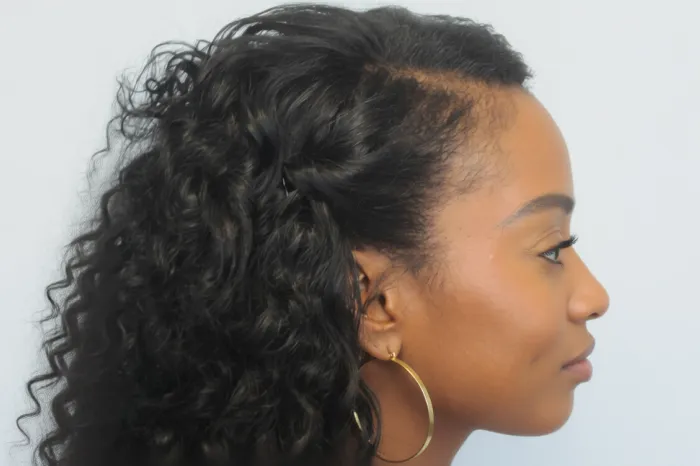
Hair color, thickness, and curliness also matter. Thicker and curlier hair can provide better coverage, sometimes reducing the need for multiple sessions. Fine or straight hair may need additional procedures to achieve a natural look.
4. Age and Hair Loss Progression
Hair loss is progressive for many people. Young patients may need more than one transplant in the future as hair loss continues. Older patients with stable hair loss may achieve long-lasting results with a single session.
5. Patient Expectations
Some patients want full hair density like their youth, while others are satisfied with moderate improvement. Meeting realistic expectations with one transplant is important for satisfaction.
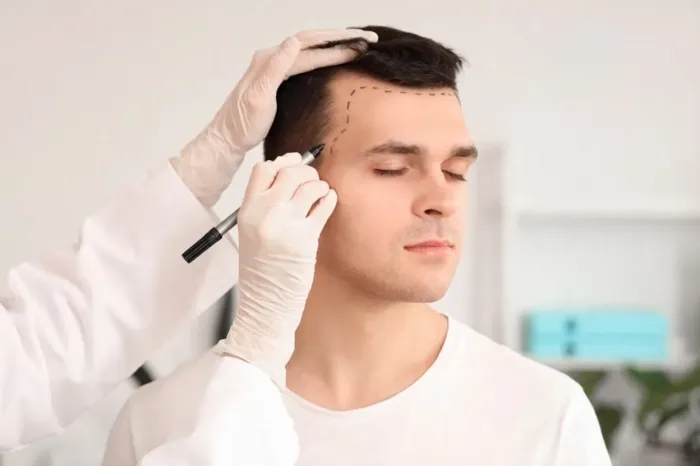
How Many Hair Grafts Are Needed?
The number of hair grafts needed depends on the size of the bald area and the desired density. On average:
- Small bald spots may need 1,500–2,000 grafts.
- Moderate baldness may need 2,500–3,500 grafts.
- Extensive baldness may require 4,000–6,000 grafts or more.
Since most clinics can safely transplant 3,000–4,000 grafts in one session, patients with extensive hair loss may need multiple sessions.
Recovery and Results Timeline
Understanding the recovery process helps determine if one transplant is enough:
1. First Week
After surgery, the scalp may be red, swollen, and tender. Tiny scabs form around transplanted hair follicles. Patients should avoid strenuous activity and follow post-operative care instructions.
2. First Month
Most transplanted hairs fall out during the first month. This is normal and called “shock loss.” New hair growth begins after this phase.
3. Three to Six Months
New hairs start to grow. Initially, they may be thin and light in color, but they thicken over time. Some patients may notice uneven growth and require touch-up sessions.
4. Nine to Twelve Months
Hair growth becomes more noticeable. Final density may take up to 12–18 months. In many cases, this is when patients decide if a second session is needed.
Why One Hair Transplant May Not Be Enough
Even with a successful first transplant, there are reasons why additional sessions may be required:
1. Limited Donor Hair
Donor hair is finite. If the first session uses a large portion, there may not be enough for full coverage in one transplant. Some patients may need a second session to achieve desired density.
2. Progressive Hair Loss
Many patients continue to lose native hair after the first transplant. A second procedure may be necessary to maintain a balanced and natural appearance.
3. Density Improvement
Some patients want thicker hair than one session can safely provide. Multiple sessions allow layering of hair to improve density without overharvesting the donor area.
4. Correction of Imperfections
Initial transplant results may not be perfect. Some areas may need refinement, additional grafts, or better hairline design. A second session can help achieve the final look.
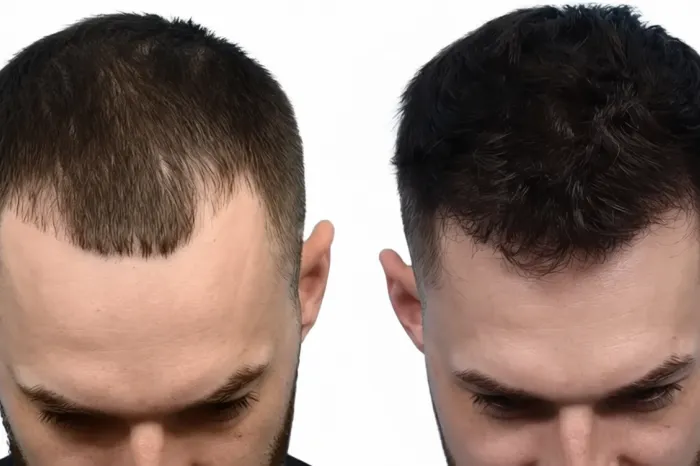
When a Single Hair Transplant Is Enough
In certain situations, one hair transplant may be sufficient:
- Small or moderate hair loss that fits within the safe graft limits of one session.
- High-quality donor hair with good density and texture.
- Older patients with stable hair loss who do not expect further thinning.
- Patients satisfied with moderate improvement rather than full coverage.
Tips to Maximize Results from a Single Session
Patients can take steps to ensure the best outcome from one hair transplant:
1. Choose an Experienced Surgeon
Expertise in hairline design, follicle placement, and surgical technique affects results. A skilled surgeon can optimize coverage with limited grafts.
2. Follow Post-Operative Care
Proper care reduces infection risk and promotes healing. This includes gentle washing, avoiding sun exposure, and taking prescribed medications.
3. Maintain Donor Hair Health
Healthy donor hair grows better after transplant. Patients should avoid smoking, maintain a balanced diet, and use hair-strengthening treatments if advised.
4. Consider Medical Treatments
Medications like finasteride or minoxidil can slow future hair loss and improve results. Combining surgery with medical therapy often reduces the need for additional sessions.
Cost Considerations
Hair transplant costs vary depending on the number of grafts, technique, and clinic location. Since one session may not be enough for extensive hair loss, patients should plan for possible additional sessions when budgeting.
Common Myths About Hair Transplants
Myth 1: One transplant gives permanent full hair coverage
Reality: Hair loss is progressive, and multiple sessions may be needed over time to maintain density.
Myth 2: Transplanted hair falls out permanently after shock loss
Reality: Shock loss is temporary. Transplanted follicles regrow within a few months.
Myth 3: Hair transplants work instantly
Reality: Full results take 12–18 months. Patience is key.
FAQs
1. Can one hair transplant last a lifetime?
Yes, transplanted hair is usually permanent, but it may not prevent future hair loss in other areas. Ongoing hair loss may require additional sessions.
2. How long should I wait between hair transplant sessions?
Most surgeons recommend waiting at least 6–12 months to allow full growth and healing before a second session.
3. Is FUE better than FUT for a single transplant?
Both methods can be effective. FUE is less invasive and allows faster recovery, while FUT can cover larger areas in one session. The choice depends on the patient’s needs and surgeon’s recommendation.
4. Will I need medication after a hair transplant?
Medications like finasteride or minoxidil can help maintain existing hair and improve results. They are optional but often recommended.
5. Can women have a single hair transplant?
Yes, women can undergo hair transplants. The number of sessions depends on hair loss severity, donor availability, and desired density.
6. What is the maximum number of grafts in one session?
Typically, 3,000–4,000 grafts can be transplanted safely in one session. Larger areas may require multiple sessions.
7. How can I ensure one transplant is enough?
Choose an experienced surgeon, have realistic expectations, and follow proper post-operative care. Combining surgery with medical therapy may also help.
Conclusion
One hair transplant can be enough for some patients, especially those with mild hair loss, healthy donor hair, and realistic expectations. However, for many people, multiple sessions are necessary to achieve the desired density, correct imperfections, and accommodate future hair loss. Consulting an experienced hair transplant surgeon and planning realistically can ensure the best outcome and long-term satisfaction.
