
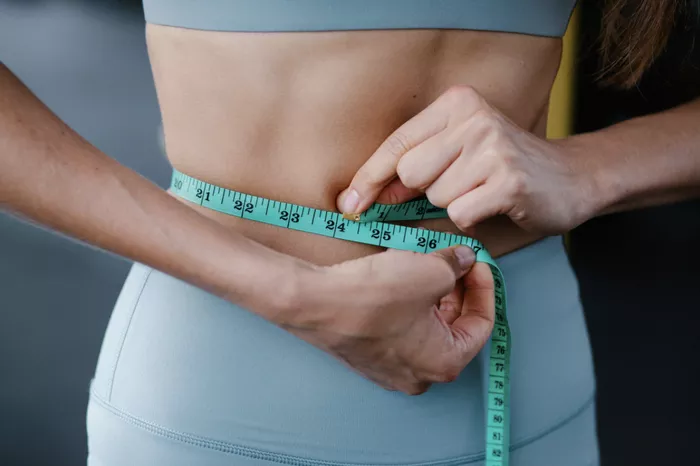
For millions of Americans seeking weight loss solutions, GLP-1 medications such as Wegovy and Ozempic have become popular tools. While effective for some, these drugs often come with high costs—sometimes exceeding $1,000 per month—and side effects including nausea, vomiting, and loss of lean muscle mass. Many patients also experience weight regain once the medication is discontinued, prompting a search for alternative strategies.
Now, a noninvasive approach called Endura is emerging as a durable, surgery-free option. Developed at Cedars-Sinai by Dr. Barham Abu Dayyeh, director of Interventional Gastroenterology, Endura offers a suite of endobariatric procedures that reshape the stomach from the inside to naturally control hunger and support long-term weight loss.
How Endura Works
Hunger is a physiological process driven by how quickly the stomach fills and empties. Endura procedures modify the stomach internally, allowing it to fill faster and empty more slowly. This helps patients feel satisfied with smaller meals for longer periods—without the side effects often associated with weight loss medications.
The procedure involves passing a flexible endoscope through the mouth to remodel the stomach, with no incisions, tissue removal, or stapling required. According to Dr. Abu Dayyeh, “By reshaping the stomach from the inside, Endura helps people feel full sooner and stay full longer. Patients are satisfied with smaller meals and often stay full for hours, without the nausea and digestive side effects that many people experience with weight loss medications.”
Supported by over a decade of clinical data and more than 50,000 procedures worldwide, Endura has been shown to produce a 15% to 20% reduction in total body weight, with results lasting at least three years. Because the procedure is noninvasive, patients typically go home the same day and return to normal activities within days.
Endura Procedure Options
- Endoscopic Sleeve Gastroplasty (ESG): Stitches remodel the stomach into a tube-like shape, promoting fullness and slowing gastric emptying.
- Endura Orbera: A soft balloon is inserted and filled with saline to occupy space in the stomach, creating early satiety. The balloon is temporary and requires removal or replacement after six months.
- Endura Revision: Designed for patients who have undergone previous bariatric surgery, this procedure “retightens” the stomach to help maintain weight loss without invasive surgery.
Who Can Benefit from Endura
Endura is suitable for adults with a body mass index (BMI) between 30 and 50 who have struggled with lifestyle interventions, wish to avoid traditional surgery, want to stop daily medications, or have regained weight after previous treatments. It is also ideal for those looking to transition off GLP-1 drugs while maintaining weight loss.
Comparing GLP-1 Medications and Endura
While GLP-1 medications remain popular, costs and side effects limit long-term adherence. Research indicates over 60% of patients discontinue these drugs within two years. In contrast, Endura is a one-time outpatient procedure that delivers lasting results and is increasingly covered by insurers.
Starting in 2026, Endura will receive a category 1 Current Procedural Terminology (CPT) code, paving the way for broader Medicare and commercial insurance coverage. “This isn’t about forcing weight loss,” Dr. Abu Dayyeh emphasizes. “It’s about giving patients an option that works with the body’s natural appetite regulation, helping them regain control and adopt a healthier lifestyle.”
Patients interested in Endura should consult a gastroenterologist experienced in noninvasive weight loss procedures to determine the best approach.
