
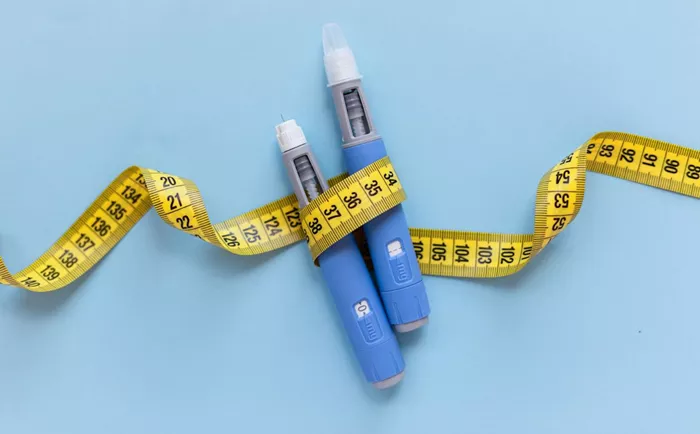
New research suggests that widely used GLP-1 class weight-loss drugs, including Ozempic and Wegovy, may be associated with an increased risk of developing osteoporosis, gout, and osteomalacia—a condition that causes severe bone softening—compared to people who do not use these medications.
The findings, presented Monday at the American Academy of Orthopedic Surgeons’ annual meeting in New Orleans, were based on a five-year analysis of medical records from tens of thousands of adults with obesity and Type 2 diabetes. According to the statement from the academy, the study found “statistically significant increases” in these conditions among users of GLP-1 drugs.
Specifically, the risk of osteoporosis, a degenerative bone disease, rose by approximately 30%, while the occurrence of osteomalacia was roughly twice as frequent among those taking the medications. Rates of gout were also about 12% higher for GLP-1 users.
“These medications have seen rapid adoption, which warrants careful monitoring, particularly in orthopedics, where obesity and surgical intervention often overlap,” said Muaaz Wajahahth, a fourth-year medical student at Michigan State University College of Human Medicine. “The long-term effects of GLP-1 receptor agonists on bone and joint health remain poorly understood.”
The study was observational, meaning researchers cannot confirm a direct cause-and-effect relationship between the medications and the bone conditions. Factors such as diet, exercise, and lifestyle, which can influence bone health, were not controlled in the analysis.
Nevertheless, the results align with earlier research linking GLP-1 drugs to an increased risk of osteoporosis-related fractures and reduced bone density in older adults with Type 2 diabetes. The FDA label for semaglutide, the active ingredient in many of these medications, warns of a potential increased fracture risk in older adults and women. Women are particularly vulnerable because they have smaller bones and experience a sharp decline in estrogen during menopause, which helps protect bone health.
Experts also caution that rapid weight loss from GLP-1 drugs may reduce nutrient intake, including bone-strengthening vitamin D, and lead to muscle loss, both of which can contribute to weaker bones. Dr. John Horneff, associate professor of orthopedic surgery at the University of Pennsylvania and lead author of the study, noted that changes in weight could also affect how the body builds and breaks down bone tissue.
Additionally, rapid weight loss can temporarily raise uric acid levels—a byproduct of purine breakdown—potentially triggering gout, a form of arthritis that already affects over nine million Americans. Osteoporosis, which affects roughly 10 million Americans, and osteomalacia, a rare condition affecting about one in 1,000 people, also pose serious risks to bone health. Osteomalacia occurs when vitamin D, calcium, or phosphate levels are insufficient, and can often be reversed with proper treatment.
While further research is needed to clarify the long-term effects of GLP-1 weight-loss drugs on bones, doctors emphasize the importance of monitoring bone health, maintaining adequate nutrient intake, and staying physically active to reduce the risk of fractures and other complications.
