
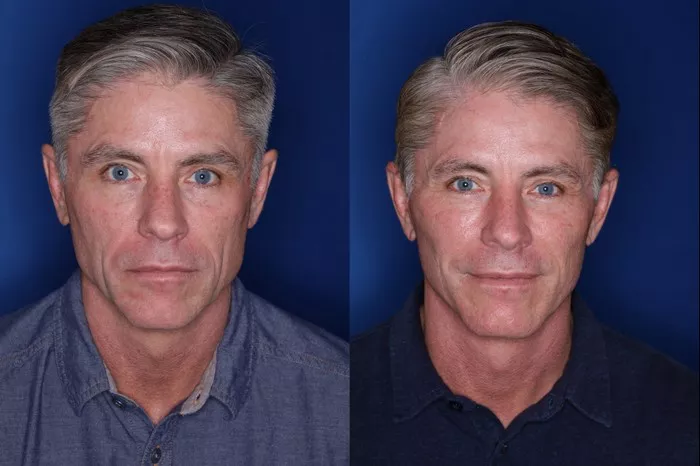
A facelift is one of the most powerful procedures in cosmetic surgery. It can restore a youthful appearance, improve facial contours, and boost confidence. Many people who are happy with their first facelift often wonder if they can repeat the procedure later in life. This leads to a very common question: how many facelifts can you safely have in a lifetime?
The answer is not a fixed number. There is no universal limit written in stone. The number of facelifts a person can have depends on individual factors such as skin quality, health, surgical technique, healing ability, and personal goals. With proper planning and expert care, it is possible to have more than one facelift while still maintaining natural results.
This article explains how facelifts work over time, how aging continues after surgery, when revision procedures may be appropriate, and how to approach facial rejuvenation as a long-term journey rather than a one-time event.
What Is a Facelift?
A facelift, also called rhytidectomy, is a surgical procedure that lifts and repositions facial tissues. It addresses sagging skin, deep folds, loss of jawline definition, and loose muscles in the lower face and neck. The goal is not to change how you look, but to restore a fresher version of yourself.
Modern facelifts focus on repositioning deeper layers of tissue instead of simply pulling the skin tight. This approach creates results that look natural and last longer. It also allows for safer repeat procedures if needed in the future.
Why People Consider More Than One Facelift
A facelift does not stop the aging process. It turns back the clock, but time continues to move forward. Skin continues to lose elasticity, fat distribution changes, and gravity still affects facial structures. Because of this, some patients choose to have another facelift years later to maintain their rejuvenated appearance.
People seek additional facelifts for several reasons. Some want to refresh earlier results. Others had their first procedure at a younger age and wish to maintain that improvement as they grow older. Some patients also prefer smaller, less dramatic updates instead of waiting for aging changes to become more pronounced.
Is There a Maximum Number of Facelifts You Can Have?
There is no strict maximum number of facelifts a person can undergo. Most patients who choose repeat surgery have two or three facelifts during their lifetime. This is not because of a hard limit, but because it aligns naturally with how aging occurs and how long results typically last.
The real deciding factor is not the number of surgeries. It is the condition of the tissues, overall health, and whether the procedure can still produce safe and meaningful improvement. A well-performed facelift preserves anatomy, which makes future procedures easier and safer.
How Long Do Facelift Results Last?
Facelift results usually last between seven and fifteen years. Longevity depends on genetics, lifestyle, sun exposure, smoking habits, and skincare. People with strong bone structure and good skin quality often enjoy longer-lasting outcomes.
Even when aging continues, patients still look younger than they would have without surgery. A second facelift is usually less about correcting severe aging and more about refining and maintaining earlier improvements.
The Importance of Surgical Technique in Repeat Facelifts
The way the first facelift is performed has a major impact on whether future procedures are possible. Modern techniques that reposition deeper tissues preserve blood supply and avoid excessive tension on the skin. This allows the face to age naturally and keeps tissues healthy for future surgery.
Older methods that relied on tight skin pulling sometimes caused scarring or distortion. These approaches could make revision surgery more difficult. Choosing an experienced surgeon from the start is one of the most important decisions for long-term success.
What Determines If You Are a Candidate for Another Facelift?
Skin Quality
Healthy skin with good elasticity responds better to repeat surgery. Severely damaged or very thin skin may limit how much improvement can be achieved.
General Health
Good physical health is essential. Conditions such as uncontrolled diabetes, heart disease, or smoking can affect healing and increase surgical risks.
Healing History
Patients who healed well after their first procedure are more likely to tolerate another one successfully.
Realistic Expectations
Each facelift provides refinement, not perfection. Patients must understand that repeat procedures offer improvement, not a completely new face.
How Aging Affects the Face After a Facelift
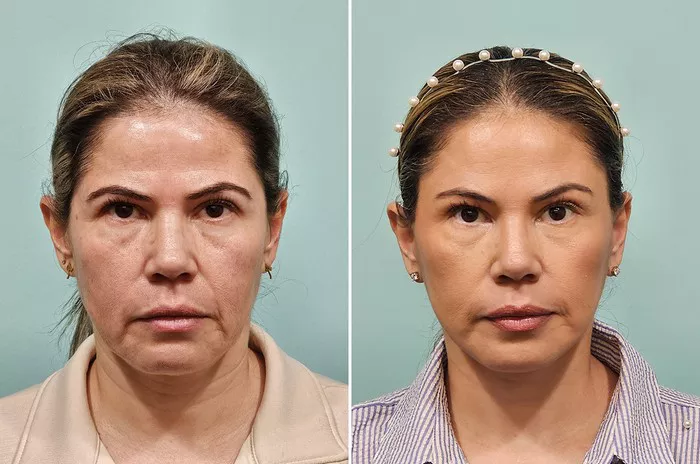
After surgery, the face continues to age naturally. However, it ages from a more youthful starting point. This means that even many years later, the face still appears younger than if no surgery had been done.
A second facelift does not “redo” the first one. Instead, it builds on the foundation already created. Because tissues were previously repositioned, revision surgery often requires less correction than the original procedure.
How Many Facelifts Do Most Patients Actually Have?
Most individuals who choose surgical facial rejuvenation undergo one or two facelifts in their lifetime. A smaller group may have three procedures spaced many years apart. Very few people require more than that because modern techniques are long-lasting and can be combined with non-surgical treatments to maintain results.
The goal is not to repeat surgery frequently. The goal is to age gracefully while using surgery strategically when it provides the most benefit.
Recommended Time Between Facelifts
Surgeons generally recommend waiting many years before considering another facelift. This allows tissues to fully heal and natural aging changes to develop. Performing surgery too soon is unnecessary and can increase risks.
Spacing procedures thoughtfully ensures that each operation delivers meaningful improvement rather than small, repetitive adjustments.
Non-Surgical Treatments That Help Delay Another Facelift
Many patients extend the life of their facelift results with non-surgical treatments. These include:
- Laser resurfacing to improve skin texture
- Injectables to restore volume loss
- Ultrasound or radiofrequency tightening
- Medical-grade skincare
- Sun protection and healthy lifestyle habits
These treatments maintain skin quality and slow visible aging, which can delay the need for another surgical procedure.
Are Repeat Facelifts More Complicated?
Revision facelifts can be slightly more complex because the surgeon must work carefully around existing scar tissue. However, when performed by an experienced specialist, they are very safe and effective.
In many cases, repeat facelifts are actually less extensive because the foundational support has already been established.
Risks of Having Multiple Facelifts
Every surgery carries risks, and these must be carefully evaluated each time. Potential concerns include delayed healing, reduced skin elasticity, or scar tissue formation. These risks are minimized through proper patient selection and meticulous technique.
When performed responsibly and spaced appropriately, multiple facelifts do not create the “overdone” appearance people often fear. That look usually comes from poor technique, not from the number of surgeries.
The Importance of Natural-Looking Results
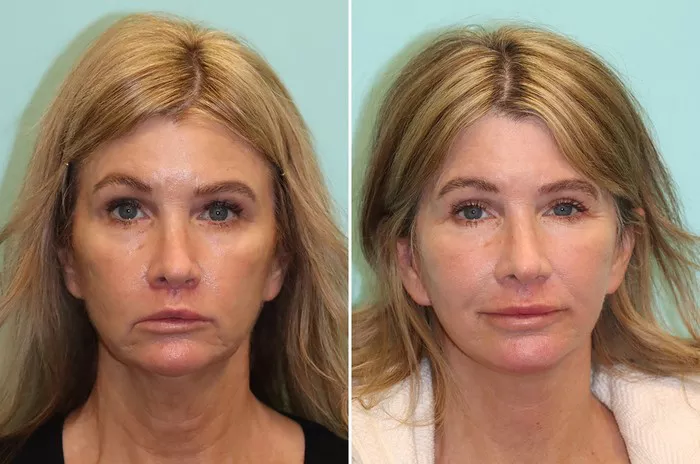
The philosophy of modern facial rejuvenation focuses on restoration rather than alteration. Each procedure should preserve identity, maintain facial harmony, and avoid excessive tightening.
A well-planned series of treatments over time can look far more natural than one aggressive surgery. Subtle improvements made at the right moments allow patients to age confidently without dramatic changes.
Planning Facial Rejuvenation as a Lifelong Strategy
Instead of thinking about how many facelifts you can have, it is better to think about long-term facial care. A thoughtful plan may include one facelift, maintenance treatments, and possibly another procedure later in life if needed.
This approach respects both the biology of aging and the individuality of each patient. Cosmetic surgery should adapt to you, not force you into a predetermined schedule.
Psychological and Emotional Considerations
Choosing to undergo repeat surgery is not only a physical decision. It is also emotional. Patients should feel motivated by confidence and self-care rather than pressure or unrealistic expectations.
A healthy mindset leads to better satisfaction and more balanced decisions about when additional procedures are truly beneficial.
Choosing the Right Surgeon for Long-Term Care
If you are considering more than one facelift over your lifetime, it is essential to work with a surgeon who understands long-term facial aging. Look for someone who values preservation, uses advanced techniques, and creates results that age naturally.
A surgeon who plans with the future in mind can help ensure that any additional procedures remain safe, effective, and harmonious.
Conclusion
There is no fixed number of facelifts that a person can have. Most people who pursue surgical facial rejuvenation undergo one to three procedures spaced many years apart. The true limit depends on tissue health, surgical quality, and overall wellness rather than an arbitrary number.
Facelifts should be viewed as part of a lifelong strategy for aging gracefully. When performed thoughtfully and combined with good skincare and healthy habits, they can provide lasting, natural-looking results without overcorrection.
The key is not how many facelifts you can have, but how wisely and safely they are planned over time.
Frequently Asked Questions (FAQs)
Can you have two facelifts?
Yes, many patients choose to have a second facelift years after the first one. This is common and can safely refresh earlier results when performed by an experienced surgeon.
Is a third facelift possible?
A third facelift is possible for selected patients who remain in good health and have adequate skin quality. Careful evaluation is required to ensure safe healing and natural outcomes.
How long should you wait between facelifts?
Most surgeons recommend waiting several years so the face can age naturally and fully recover before considering another procedure.
Do repeat facelifts look unnatural?
No. When performed properly, repeat facelifts maintain a natural appearance. An artificial look usually results from overly aggressive surgery, not from having more than one procedure.
Are repeat facelifts riskier?
They can be slightly more complex, but in experienced hands they are safe. Proper planning and patient selection keep risks low.
Will each facelift last as long as the first?
Results can still last many years. Longevity depends on lifestyle, genetics, and how well the skin is maintained after surgery.
Can non-surgical treatments replace another facelift?
Non-surgical options can delay the need for surgery, but they cannot fully replace the lifting effect of a facelift when significant sagging is present.
What is the best age to consider a second facelift?
There is no ideal age. The decision depends on visible aging changes, skin condition, and personal goals rather than a specific number.
Does having multiple facelifts damage the skin?
When done correctly and spaced appropriately, the skin remains healthy. Modern techniques protect blood supply and avoid excessive tension.
How can I make my facelift results last longer?
Protect your skin from the sun, avoid smoking, maintain a stable weight, follow a professional skincare routine, and consider maintenance treatments recommended by your surgeon.
