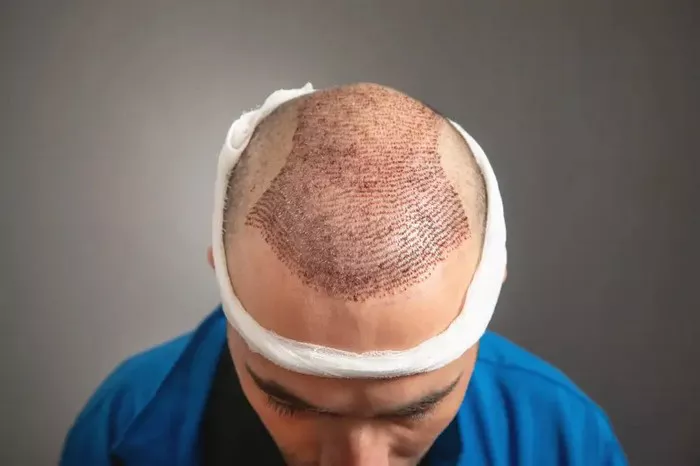
A South Florida hair restoration specialist is urging patients to carefully weigh medical standards and long-term consequences before seeking hair transplant procedures overseas, as cosmetic surgery tourism continues to grow in popularity.
Dr. Brett Bolton, a Fort Lauderdale–based surgeon, issued a public advisory highlighting potential risks associated with undergoing hair restoration treatments outside the United States, where lower costs and heavily marketed package deals have drawn increasing numbers of American patients.
Industry estimates suggest that about 150,000 Americans traveled abroad for hair transplant procedures in 2024. Turkey, in particular, has become a leading destination, with clinics promoting all-inclusive packages typically priced between $2,000 and $4,000—significantly less than the average $10,000 to $15,000 cost of similar procedures in the United States.
While the price difference can be appealing, Bolton cautions that variations in clinical oversight, surgical responsibility, and long-term treatment planning may affect both safety and results.
“In the United States, these procedures are performed under defined medical standards,” Bolton said. “Physician oversight, sterility protocols, and anesthesia requirements are structured within regulatory frameworks. Patients should understand whether those same safeguards apply where they are considering treatment.”
Bolton noted that in some high-volume international clinics, technicians rather than licensed physicians may perform substantial portions of the procedure. He emphasized that critical aspects such as hairline design, donor-area management, and graft placement require medical expertise and careful long-term strategy.
Hair transplantation relies on a limited donor area, meaning excessive harvesting can permanently reduce the ability to perform future corrective treatments. Bolton said he has treated patients who returned to the United States seeking revisions after experiencing complications, unnatural-looking hairlines, or depletion of donor hair.
“The donor area is limited,” he said. “Once it is overharvested, the impact can be irreversible. Long-term strategy is critical because hair loss is progressive.”
He also underscored the importance of thorough preoperative consultations, informed consent, and consistent postoperative follow-up—factors that can be more difficult to maintain when treatment is performed abroad. Continuity of care, he added, plays a key role in managing ongoing hair loss and planning future procedures.
Although Bolton stressed that not all international medical care is unsafe, he advised prospective patients to carefully evaluate physician credentials, regulatory oversight, surgical accountability, availability of follow-up care, and long-term treatment planning before choosing a provider.
“As with any medical procedure, patients should prioritize accountability, qualifications, and long-term outcomes,” Bolton said.
Dr. Bolton has made himself available for media interviews to discuss differences in international hair transplant standards, the rise of medical tourism, and considerations patients should review when selecting a treatment provider.