
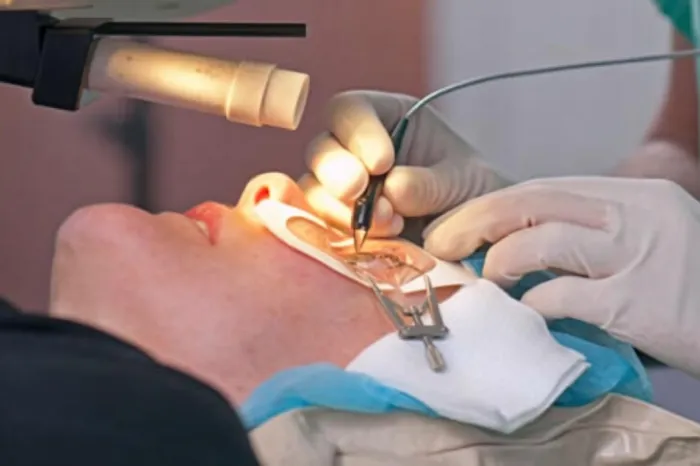
Lawrence Jones, co-host of Fox & Friends, recently spoke about his experience undergoing eye surgery after being diagnosed with a detached retina in his right eye. Jones, who has dealt with vision problems most of his life, such as needing glasses, contacts, and even LASIK surgery, noticed difficulties with his vision in late 2025. Initially, he believed these issues weren’t serious and avoided seeing a doctor, thinking it was just part of everyday life.
It wasn’t until a friend’s wife encouraged him to visit a specialist that Jones decided to have his eyes examined. During his appointment, which lasted three hours and involved four doctors, he learned that his vision problems were much worse than he expected. His retina had detached, a serious condition that can lead to blindness if not treated quickly. Jones was told surgery was necessary as soon as possible.
Retinal detachment is a painless but dangerous eye problem where the tissue at the back of the eye separates from its support layers. Symptoms may include flashes of light, eye floaters, blurred vision, and darkness around the edges of the sight. Jones wondered if his past sports activities or LASIK surgery contributed to the condition, but doctors explained even slight injuries or genetic factors could be responsible.
In mid-January, Jones underwent surgery to repair his retina. The operation lasted about an hour and a half, during which he was awake for much of the time. Recovery was challenging. For the first two weeks after surgery, he struggled with light sensitivity and swelling, often using sunglasses and keeping his house dark. By the third week, he returned to work, although he still felt discomfort and wore special glasses to protect his eyes.
Jones credits his support system, including his Fox & Friends colleagues, for caring during his time off. He decided to be open about his experience, letting the audience see his recovery process. Jones hopes sharing his story will inspire others to prioritize their eye health and visit specialists when vision problems arise. He stresses the importance of seeing an ophthalmologist, not just an optometrist, for any eye concerns, especially when symptoms occur that could signal more serious issues.
