
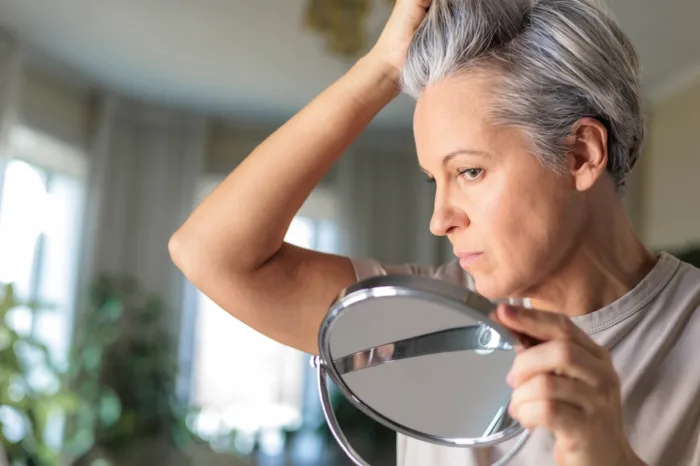
Recent years have seen remarkable advances in hair loss treatment technologies, from medical research and consumer products to prevention strategies. Hair loss, affecting millions globally, has spurred innovation on both clinical and consumer fronts, giving hope to those experiencing thinning hair due to genetics, illness, hormonal shifts, or aging.
Medical researchers have continued to explore the causes and potential remedies for hair loss. One notable development is a new drug candidate, JW0061, by JW Pharmaceutical, which recently received approval for a Phase 1 clinical trial in Korea. This trial will enroll healthy Korean and Caucasian adults at Seoul National University Hospital to assess the safety and tolerability of JW0061, which is applied topically to the scalp. JW0061 functions by directly activating hair follicle stem cells through the GFRA1 receptor, showing promise far beyond traditional treatments that target hormones or blood flow. With robust preclinical results—demonstrating hair follicle induction many times greater than standard therapies—JW Pharmaceutical hopes JW0061 will become a globally competitive solution for hair loss in both men and women.
Consumer-level technologies have also gained attention, especially devices using low-level light therapy (LLLT) and red LED light. The Scalpistry Therapy Comb is one such device, combining LED light, scalp massage, and serum infusion to stimulate hair growth. While this device has not been individually tested in clinical trials, underlying research supports the effectiveness of red light therapy for androgenetic alopecia and related hair loss conditions. Clinical studies show that consistent use of LLLT can increase hair counts and prolong the hair growth phase, and combining it with other treatments such as minoxidil may yield even stronger results. Devices like hair growth helmets use similar technology and are gaining popularity for managing hair thinning and post-illness hair loss.
Hormonal changes, especially in women, are another important factor in hair loss. Recent studies suggest that menopause can change brain structure, impacting memory and emotional health, while also increasing the risk of hair thinning. Both medical and consumer experts agree that identifying the underlying cause, whether hormonal, stress-related, or post-illness, is key to selecting the right treatment. For instance, telogen effluvium, triggered by high fever or illness, can cause temporary hair shedding. Recovery typically relies on restoring normal hair cycles and maintaining a diet rich in nutrients. Experts recommend seeking professional advice if hair loss persists or is accompanied by other health symptoms.
Prevention remains a central theme, especially for patients undergoing treatments such as chemotherapy. Hospitals like Crisp Regional Hospital are implementing new hair-preserving technologies, such as cold caps, which help minimize hair loss during cancer treatment. These efforts reflect expanding options for those seeking to maintain hair integrity in challenging circumstances.
With multiple treatment avenues available, including topical medications, advanced drug candidates, and technological devices, patients are encouraged to combine approaches for optimal results. Maintaining healthy nutrition, gentle scalp care, and staying informed about emerging therapies are advised. As research and product development continue, both clinical professionals and the public have a growing toolkit to address hair loss more effectively.
