
A recent clinical study has shown that improving the standard wire-guided localization method helps surgeons more effectively remove non-palpable breast cancer tumors. These tumors are too small to be felt by hand but are often found through modern screening programs, which allow for earlier treatment and better survival rates.
The study took place at Kasr Al-Ainy School of Medicine, Cairo University, and involved 46 women who had small breast cancers detected by imaging screenings. Unlike traditional approaches where the locating wire is inserted just before surgery, the modified method placed the wire a day in advance, improved mapping of the wire’s position, and in some cases, marked the skin or injected a harmless carbon suspension around the tumor for better visibility.
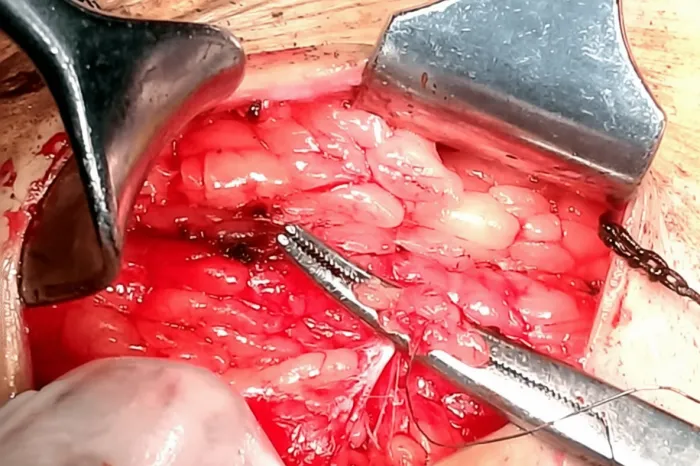
During surgery, doctors made incisions based on the mapped location of the tumor, not only the wire entry point. Careful planning and additional diagrams helped surgeons track the wire’s path through the breast, allowing them to cut out the tumor with a small amount of healthy tissue around it. Special x-rays taken during the operation confirmed that both the wire and the tumor were fully removed. Surgeons also marked the surgical area with titanium clips to guide follow-up treatments like radiotherapy.
The modified approach demonstrated strong results. All 46 tumors were successfully removed on the first surgery. Only three patients needed a second operation to fully clear the tumor at the edges, and none required additional major surgery such as a mastectomy. There were no major complications, and patients achieved good cosmetic outcomes, with only a small amount of breast tissue removed in most cases.
Wire-guided localization remains a widely used and cost-effective technique for removing non-palpable breast cancers. However, new research and technology are encouraging the development of alternative methods that may reduce re-operation rates and improve patient comfort. Radio-guided and wireless tools, for instance, are growing in popularity but require more resources and training. Despite some limitations, this refined wire localization method offers safe, reliable outcomes and helps avoid unnecessary surgeries, highlighting the ongoing progress in breast cancer treatment.
