
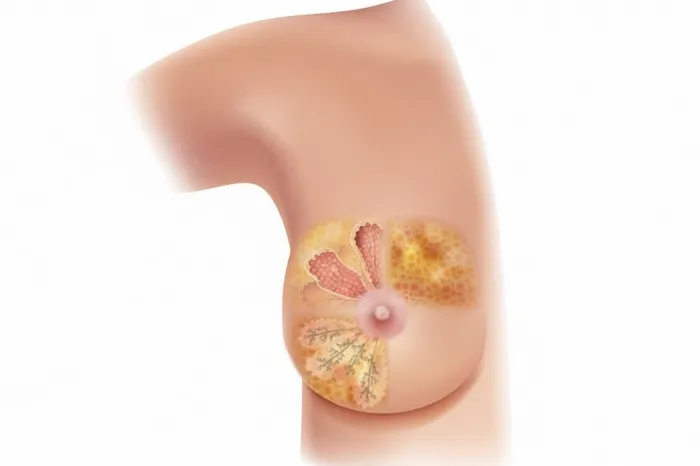
Recent advances in immunotherapy have brought new hope to breast cancer patients, as clinical trials and research continue to refine treatment approaches for various subtypes of the disease. Breast cancer remains the most diagnosed cancer in women worldwide, and experts are exploring innovative therapies that can improve survival rates and quality of life.
One major breakthrough has been the use of pembrolizumab, an immunotherapy drug, combined with chemotherapy for metastatic triple-negative breast cancer (TNBC). Clinical trials showed that this combination led to longer progression-free survival, especially in patients whose tumors expressed high levels of PD-L1. This has established a new standard for patients with advanced TNBC. Further studies in early-stage TNBC have demonstrated that neoadjuvant pembrolizumab increases the rate of complete tumor response and improves five-year survival, expanding its use beyond metastatic cases.
The comparison between different immunotherapy drugs, such as pembrolizumab and atezolizumab, has sparked scientific debate. While atezolizumab received FDA approval after initial promising results, subsequent trials failed to show significant benefits, leading to withdrawal of approval in some settings. These mixed outcomes highlighted the importance of selecting the right checkpoint target, chemotherapy backbone, and timing for immunotherapy. When used before surgery as neoadjuvant therapy, immunotherapy appears to be more effective than when administered after tumor removal.
Hormone receptor-positive breast cancers, which are more common but usually less responsive to immunotherapy, are also under investigation. Trials testing pembrolizumab and nivolumab, combined with chemotherapy in high-risk patients, have achieved higher rates of complete response, particularly in tumors with increased immune activity. The identification of biomarkers, such as gene expression signatures and tumor-infiltrating lymphocyte density, is helping researchers select patients who may benefit most from immunotherapy.
Emerging technologies are adding new tools to the treatment landscape. Bispecific antibodies that target both PD-1/PD-L1 and VEGF, along with antibody-drug conjugates (ADCs), are being tested in both early and advanced breast cancers. Some bispecific agents have shown high response rates regardless of PD-L1 expression. Trials are ongoing to identify the ideal combinations and determine which patients should receive these therapies.
As research continues, questions remain about the best ways to combine immunotherapy with chemotherapy, the necessity of adjuvant immunotherapy after surgery, and the most reliable biomarkers for predicting treatment response. The safety of combining immunotherapy with other drugs, such as CDK4/6 inhibitors, is also a concern due to potential toxicities. Despite uncertainties, experts agree that immunotherapy is changing the way breast cancer is treated, offering new options for patients and promising future improvements in care.
