
Brandi Glanville and Alyssa Milano are among a growing number of public figures opening up about their health challenges linked to breast implants. Glanville, a former star on the “Real Housewives of Beverly Hills,” described a difficult three-year battle with unexplained health issues that led to a major financial and personal toll. Struggling with facial changes, anxiety, and physical discomfort, Glanville said she spent nearly $200,000 on medical treatments and lost her home due to mounting costs.
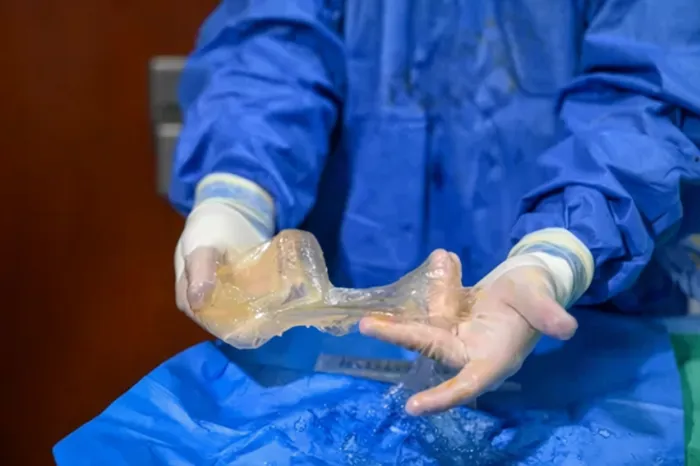
After several years of treatments focused on possible parasites and other causes, a recent sonogram revealed that Glanville’s breast implants, which were nearly two decades old and no longer legally used, had ruptured and were leaking silicone. The findings prompted urgent surgery to remove and replace the implants. Doctors also told Glanville that there may have been black mold present on the ruptured implant, adding to her health concerns. The condition affected her lymph nodes, leading to further complications. Glanville shared that her health struggles impacted her ability to work and forced her to move, which limited time with her two sons.
Reflecting on her experience, Glanville expressed regret not recognizing the connection between her implants and her symptoms sooner. After undergoing surgery, she advised women considering breast implants to think carefully and shared that, despite not regretting her original decision, she now prioritizes her health and urges caution. She said, “I would get divorced ten times over rather than deal with these three years again.”
Alyssa Milano, best known for her acting career, also spoke about her journey with breast implants and her recent decision to remove them. At age 53, Milano revealed that the emotional and physical weight of the implants became too much, especially as she navigated perimenopause and the changes that come with aging. After the removal, Milano noticed relief from neck and back pain and found it easier to breathe. She described the process as both physically healing and emotionally freeing, noting that her implants were tied to an image of herself from her youth, when she felt pressured by industry expectations.
Milano also emphasized the importance of being open about aging, health, and beauty standards, especially for women in the public eye. She shared that, while society continues to scrutinize women’s choices, she feels more empowered to make decisions that support her well-being. Both Glanville and Milano’s stories highlight the significant health risks and personal costs that can come with cosmetic surgeries, and encourage greater awareness and thoughtful decision-making for women considering breast implants.
