
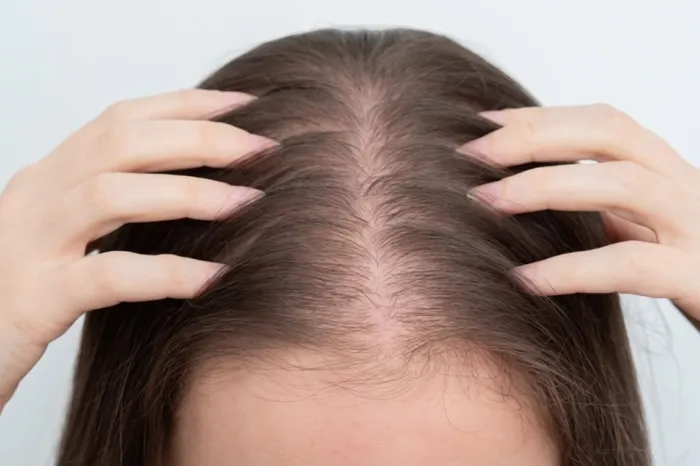
A recent situation has brought attention to the challenges faced by individuals living with alopecia, a medical condition that causes hair loss. The story unfolded when a woman asked her friend, who had long hair, to cut it off so a wig could be made for her sister who suffers from alopecia. The friend declined, which led to disappointment and frustration. This incident has sparked conversations about personal boundaries, supportive actions, and the reality for those dealing with this condition.
Alopecia can affect anyone, regardless of age or gender. It often results in hair loss on the scalp and sometimes across the entire body. While not life-threatening, the condition can have a deep impact on a person’s confidence and self-image. Many seek ways to manage the visible effects, with wigs being one popular option. Hair donations help make these wigs, but cutting long hair is a personal choice that not everyone is ready to make.
Support for individuals with alopecia goes beyond physical solutions. Emotional understanding and respecting decisions are important parts of these relationships. Requests for support, like donating hair, can create tension if not handled with care. It’s vital for friends and families to have open discussions and recognize each person’s limits.
The story highlights a bigger issue about community awareness. Not everyone understands how medical conditions like alopecia affect people. Education about alopecia can help others respond with empathy instead of judgment. Developing compassion for people with visible differences is crucial in building supportive environments.
As stories like this spread, they remind the public about the social and psychological effects of alopecia. Raising awareness can lead to more sensitivity and better support networks for those in need. It also encourages individuals to be thoughtful when offering or asking for help, recognizing that personal choices about appearance and support are deeply individual.
