
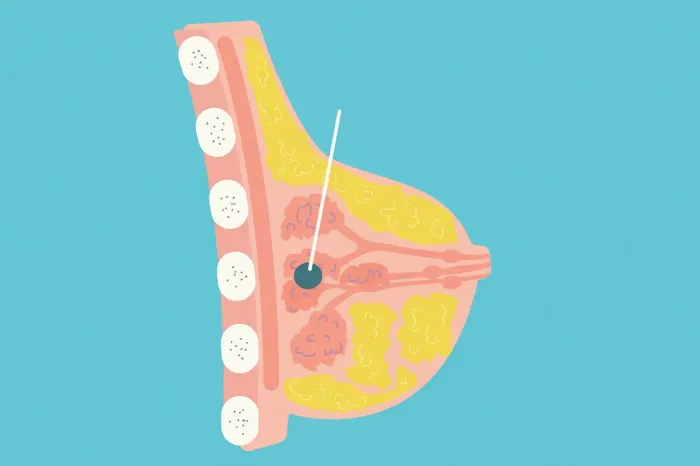
Researchers have introduced a new innovative treatment for triple-negative breast cancer (TNBC), one of the most aggressive forms of breast cancer with few targeted therapies and harsh side effects from conventional treatments. The approach, called Programmable Local Immunochemotherapy (PLICT), is designed to deliver drugs directly to the area near the tumor, offering more focused treatment while reducing overall toxicity.
In the mouse models studied, scientists used a combination of two delivery systems. They applied a hydrogel loaded with CpG oligodeoxynucleotides and gemcitabine for rapid drug release. In addition, paclitaxel was embedded in PLGA microspheres, which allow for a slow and continuous release of the drug. This setup enabled a step-by-step delivery, with an initial release of immune-activating and chemotherapy drugs that help stop early tumor growth, followed by a longer-lasting effect to prevent tumor spread and progression.
Compared to traditional treatment methods that use drugs throughout the body, the PLICT method led to a stronger immune response within the tumor itself and allowed more cytotoxic T lymphocytes, which are important cancer-fighting cells, to target the affected area. This local delivery also resulted in a healthier immune environment in the tumor and much lower toxicity to the rest of the body.
The findings suggest that locally programmed drug delivery could become a powerful tool against TNBC, improving effectiveness and reducing side effects that patients often suffer from with systemic chemotherapy. The research team highlighted that this new treatment strategy could mean better outcomes for patients facing triple-negative breast cancer.
Current results are promising, but further studies will be needed to confirm safety and effectiveness in human patients. The PLICT platform represents a significant step forward in the search for safer, more targeted therapies for difficult-to-treat breast cancers.
