
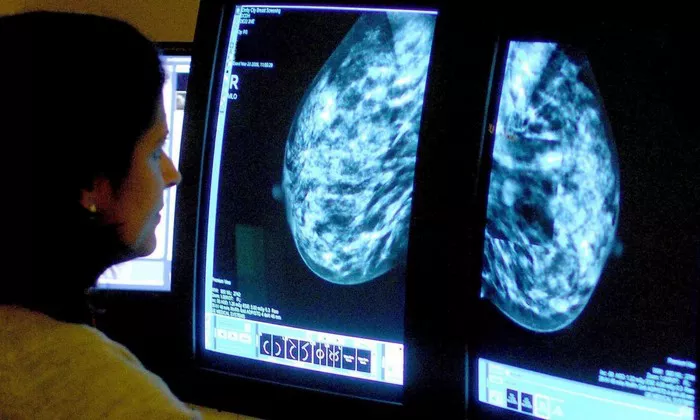
A groundbreaking study has revealed that integrating artificial intelligence (AI) into breast cancer screening can reduce the rate of cancer diagnoses in subsequent years by 12% while improving early detection rates. The findings mark the first large-scale trial evaluating AI in mammography screening.
The study, conducted in Sweden, involved 100,000 women who participated in routine mammography screening between April 2021 and December 2022. Participants were randomly assigned to either AI-assisted screening or the standard protocol, in which two radiologists independently reviewed mammograms.
In the AI-supported model, the system analyzed mammograms and classified cases as low or high risk. Low-risk cases were reviewed by a single radiologist, while high-risk cases underwent a double reading. The AI also highlighted suspicious areas to aid radiologists’ assessments.
The research, published in The Lancet, found that mammography supported by AI led to a reduction in subsequent cancer diagnoses, with 1.55 cancers per 1,000 women in the AI group compared with 1.76 per 1,000 in the control group. Notably, more than 80% of cancers in the AI group were detected during the initial screening, compared with just under 74% in the standard group. Additionally, the study reported a 27% decrease in aggressive cancer subtypes among women screened with AI support.
Dr. Kristina Lång of Lund University, lead author of the study, highlighted the potential benefits of AI-assisted mammography. “Introducing AI could help detect cancers at an earlier stage and reduce workload pressures for radiologists,” Lång said. “However, it’s crucial that AI is implemented cautiously, using thoroughly tested tools and continuous monitoring to understand its effects across different screening programs.”
Breast cancer remains the leading cause of death among women aged 35 to 50, with over two million diagnoses globally each year. While the study demonstrated AI’s potential to enhance early detection, researchers emphasized that AI should complement, not replace, human radiologists in screening programs.
Experts welcomed the findings but urged careful evaluation. Dr. Sowmiya Moorthie, senior strategic evidence manager at Cancer Research UK, noted: “AI can make mammogram reading more efficient, but there is still a risk of missing cancers. This study is encouraging, but as it was conducted in a single center, further research is needed to confirm its life-saving potential.”
Simon Vincent, chief scientific officer at Breast Cancer Now, echoed the cautious optimism: “This trial underscores the promise of AI in supporting radiologists. Early detection remains crucial for successful treatment. Upcoming trials in the UK will be vital to determine the safest and most effective ways to integrate AI into NHS breast screening services.”
