
Fat grafting, long a staple in aesthetic surgery, has historically faced challenges due to the fragility of fat cells during traditional mechanical processing methods. Defyne Plastic Surgery is now redefining the field with EVFT, or Enhanced Viability Fat Transfer, a groundbreaking approach that applies biologic preservation science to fat grafting at scale.
Traditional fat grafting techniques rely on spinning or washing harvested fat to remove blood, oil, and debris. While effective for cleaning, these methods can damage delicate fat cell membranes, resulting in inconsistent survival rates of 30 to 60 percent. Surgeons have historically compensated by overcorrecting volume, leaving patients to accept unpredictable outcomes.
EVFT addresses these challenges by prioritizing cell viability throughout the grafting process. The technique uses a surfactant-based, membrane-stabilizing solution—proven in decades of human tissue preservation research—to protect fat cells during preparation. This ensures transplanted fat integrates more effectively, establishes blood supply, and maintains its volume over time.
“For years, fat grafting has been treated like a mechanical process,” said Dr. Oren Tessler, MD, founder of Defyne Plastic Surgery. “But fat is living tissue. If it’s damaged before transfer, it cannot survive. EVFT applies the same biologic logic used in other tissue transplants, and the results are fundamentally different.”
The science behind EVFT draws on Harvard-led research and multi-center clinical trials, demonstrating that surfactant-based solutions reduce cellular stress, stabilize membranes, and gently remove impurities. Applied to fat grafting, this approach transforms preparation from a process that harms cells into one that actively preserves them.
Key Advantages of EVFT
- Enhanced cell viability: Stabilized membranes reduce mechanical and oxidative damage.
- Improved retention: Long-term survival rates exceed 80 percent, significantly reducing volume loss.
- Predictable outcomes: Higher viability minimizes the need for overcorrection and repeat procedures.
- Natural integration: Healthier fat establishes blood supply reliably, allowing the graft to behave as living tissue.
- Long-lasting, natural results: Patients enjoy softer, more natural contours that endure over time.
“When fat survival becomes predictable, everything changes,” Tessler said. “We can sculpt with confidence. Patients get results that look natural, age better, and avoid repeated procedures.”
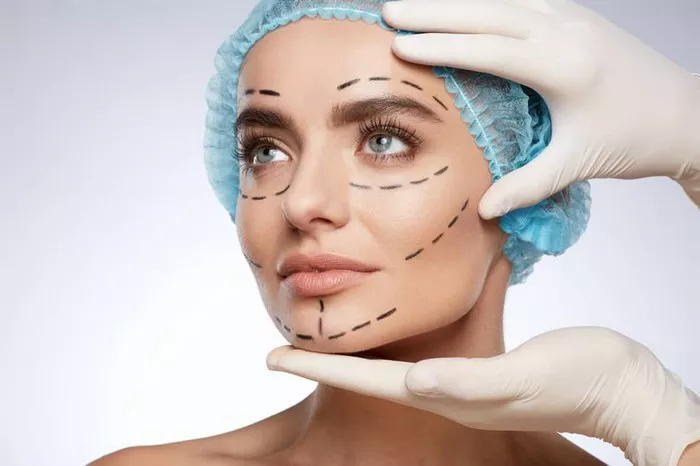
EVFT is increasingly used in breast enhancement, Brazilian Butt Lift procedures, and facial rejuvenation, offering a biocompatible alternative to implants and synthetic fillers. By preserving fat at the cellular level, Defyne Plastic Surgery provides patients with consistent, natural-looking outcomes tailored to their goals.
Dr. Tessler, a board-certified plastic and reconstructive microsurgeon with advanced training at Harvard’s Massachusetts General Hospital, blends surgical artistry with scientific precision. At Defyne, he champions a holistic, anatomy-first approach to aesthetic care, empowering patients through minimally invasive, technology-driven solutions that deliver regenerative results.
“Trends come and go,” Tessler said. “Biology does not. EVFT allows us to work with the body instead of against it. That is the future of fat grafting.”
