
In southern Arizona, a “quick trip to the border” has long meant a short drive to Nogales for dental work or routine medical care in Mexico. The formula is familiar and predictable: a few hours on the road, manageable costs, and minimal disruption to daily life.
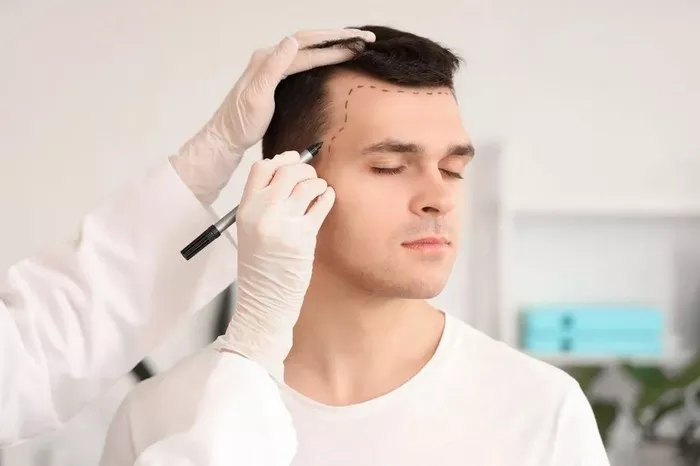
But a different kind of medical journey is gaining traction. Over the past decade, Turkey has emerged as a global hub for hair transplant procedures, drawing patients from around the world with its modern facilities, advanced techniques, and competitive pricing. Now, clinics in Istanbul report a growing number of patients from the U.S. Southwest—including Arizona—who are choosing a 14- to 15-hour flight east over a one-hour drive south.
For many pragmatic Arizonans, the question is straightforward: why trade a simple border crossing for a transatlantic trip?
The answer, patients say, comes down to value rather than just price. For those seeking what many consider the best hair transplant Turkey can offer, several key factors are driving the shift.
Value for Money
Hair transplant costs in Turkey are significantly lower than in most Western countries, even for complex procedures. In the United States, a hair transplant can range from $10,000 to $20,000, depending on the number of grafts and the technique used. In contrast, clinics such as Cosmedica in Istanbul report prices between $2,750 and $6,000 for up to 4,000 grafts, including advanced methods.
Clinics attribute the lower prices to reduced operating costs rather than lower standards of care. Industry observers often describe Istanbul as the “Silicon Valley of hair restoration,” citing the high volume of procedures and the resulting level of specialization that attracts international patients.
High-Quality Care and Advanced Techniques
Turkey’s rise as a medical tourism destination has been fueled by investments in modern healthcare infrastructure and training. In Istanbul, clinics offer contemporary methods such as FUE (Follicular Unit Extraction) and DHI (Direct Hair Implantation). Some also use sapphire blades to create microchannels in the scalp, a technique designed to minimize trauma and scarring while achieving natural-looking hairlines.
Supporters of these methods say the emphasis on precision and innovation contributes to more consistent cosmetic outcomes.
Experienced Surgeons
Proponents of Turkey’s hair transplant industry often point to surgeon experience as a decisive factor. At Cosmedica Clinic, founder Dr. Acar has more than 16 years of experience in hair restoration surgery. According to clinic data, his techniques are associated with high graft survival rates, a metric closely watched by patients comparing international options.
All-Inclusive Travel Packages
For many Arizonans, the biggest hesitation is the journey itself. Flights from Tucson or Phoenix to Istanbul typically involve multiple legs, layovers, and a full day of travel each way. To ease those concerns, many Turkish clinics now offer all-inclusive packages.
These packages often include VIP airport transfers, five-star hotel accommodations, English-speaking coordinators, scheduled transportation to and from the clinic, and structured aftercare guidance. Patients accustomed to organizing their own cross-border trips say the contrast is notable: instead of managing logistics independently, the entire experience is coordinated from arrival to follow-up.
Why Turkey Instead of Mexico?
While Mexico remains a popular destination for dental care and general medical services, many medical tourists are choosing Turkey specifically for hair restoration. Industry analysts note that Turkey’s niche focus and routine use of techniques such as Sapphire FUE—still less common in North America—have helped position the country as a specialized destination rather than a general-purpose one.
For Tucson and Phoenix residents, the distinction is becoming clearer. Teeth can be fixed on a weekend trip south. A hairline, by contrast, is permanent.
The Arizona Perspective
For men in Arizona, the decision increasingly centers on long-term results rather than travel distance. Hair transplantation is typically a one-time, permanent procedure, while the inconvenience of flying is temporary. Some patients also note that recovering in Istanbul’s milder winter climate can be more comfortable than healing under the intense Arizona sun.
Clinic reviews and before-and-after galleries frequently highlight consistent outcomes, reinforcing the perception that Turkey offers not just affordability but routine expertise that can be difficult to find elsewhere.
With winter providing an ideal recovery window, more Arizona men are viewing a trip to Istanbul not as a luxury but as a strategic investment in how they want to look and feel for years to come.
Conclusion
For prospective patients, the real question is no longer how far they have to travel, but what they will see in the mirror decades from now. As the Arizona sun continues to pose challenges for healing grafts, winter presents a timely opportunity to recover in Istanbul’s milder climate and return ready for desert heat.
For a growing number of men in the Southwest, a weekend dental trip to Mexico still makes sense. But when it comes to hair restoration, Turkey is fast becoming the destination of choice.
