
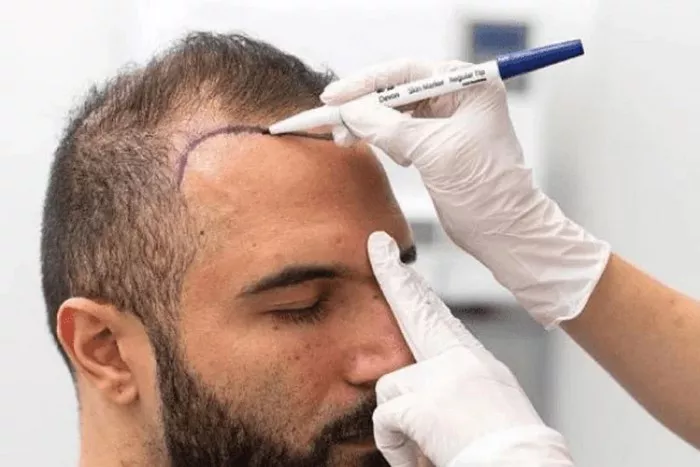
Health tourism—the practice of travelling abroad for medical care—is one of the fastest-growing sectors in the global healthcare economy. Tens of millions of patients each year travel across borders for treatments ranging from dental procedures to complex surgeries. Among these services, hair transplantation and other aesthetic procedures have emerged as particularly popular, attracting patients from Europe, the Middle East, and beyond.
Yet experts caution that many patients underestimate the complexity of these procedures. In an interview, dermatologist Dr Ümit Şentürk highlighted common misconceptions, long-term risks, and the importance of informed decision-making.
The Hidden Complexity of Hair Transplants
Many patients view hair transplantation as a straightforward, painless procedure: spend seven to eight hours in a clinic and return home with full results. However, Dr Şentürk emphasizes that while the procedure is generally well tolerated, it is far from simple or risk-free.
“Each hair follicle is a living micro-organ, and once harvested, regrowth in that area is rare. Misuse of this limited resource can make future procedures impossible,” he explains.
The Myth of a “Quick Cosmetic Fix”
Marketing strategies in the health tourism industry often present cosmetic procedures as products rather than medical treatments. Claims such as “one-day procedure” or “immediate recovery” contribute to a perception of hair transplantation as a simple, convenient service.
Consequently, many patients make decisions based solely on online reviews and before-and-after photos—approaches Dr Şentürk warns can lead to cosmetic and health complications.
Key Factors Beyond Price and Photos
Transparency and communication are crucial for safe, effective procedures:
- Can you receive clear answers to all your questions?
- Are the risks and limitations explained fully?
- Is the pricing policy clear and upfront?
- Do you know who plans and performs the procedure and who is accountable for complications?
- How long has the clinic been operating?
- Is there an opportunity for a face-to-face or virtual consultation with the doctor?
At DK Klinik in Antalya, these principles have guided medical practice for over two decades, with a focus on physician-led planning and long-term patient care.
Consequences of Poor Hair Transplant Decisions
Short-term thinking can have lasting consequences. The most common risks include:
- Unnatural or artificial appearance
- Scarring in donor areas
- Improper hairline design that does not follow natural anatomy
- These aesthetic issues can also have a significant psychological impact on patients.
Why UK Patients Are Choosing Turkey
The UK has seen a noticeable increase in patients seeking hair transplants abroad. While affordability is a major factor, satisfaction rates also play a critical role. “Patients are attracted by lower prices, but quality and satisfaction drive word-of-mouth referrals, which sustain the industry,” Dr Şentürk notes.
However, he warns that quality is not uniform across all clinics in Turkey. Thorough research is essential for British patients considering hair transplantation abroad.
The Future of Hair Transplantation
Rising healthcare costs in Europe and the US may continue to push patients toward countries such as Turkey, Thailand, and Mexico. Meanwhile, research into hair loss medications and potential stem cell-based therapies could reshape the industry over the next decade. Hybrid treatment approaches may emerge, complementing traditional transplants and improving outcomes.
Dr Şentürk’s final advice: “Treat a hair transplant as a medical decision, not a cosmetic impulse. When medicine comes first, the results tend to follow naturally.”
