
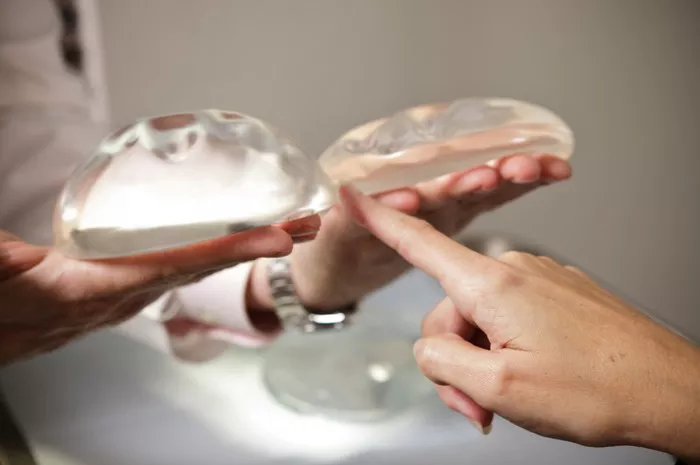
As the body ages, so does the skin. Wrinkles, sagging breasts, and other visible signs of aging appear naturally over time. While some embrace these changes, others turn to cosmetic procedures to maintain youthful contours and skin fullness.
Injectables such as Botox and dermal fillers have long been popular for non-surgical rejuvenation, while surgical enhancements like breast and buttock implants remain common for those seeking more dramatic results. According to the 2023 report by the International Society of Aesthetic Plastic Surgery (ISAPS), 19.1 million non-surgical cosmetic procedures were performed worldwide.
Yet, amid the growing demand for minimally invasive and innovative treatments, a new trend in the United States has sparked both fascination and controversy. Known as AlloClae, the procedure uses purified fat harvested from donated cadavers—essentially fat from deceased donors—to enhance the body through Brazilian butt lifts (BBLs), breast augmentations, and hip-dip corrections.
What is AlloClae?
AlloClae, introduced to the U.S. market in 2024, is a sterile, injectable filler made from human cadaver fat. The harvested fat undergoes an extensive purification process to remove DNA, cellular debris, and any material that could trigger an immune response. Once processed, the fat integrates with the patient’s body and stimulates collagen growth, restoring or adding volume to areas that naturally accumulate fat.
Unlike traditional fat-transfer procedures, which rely on liposuction from the patient’s own body, AlloClae offers an alternative for those with insufficient body fat or who prefer not to use their own tissue.
“Less than 5% of board-certified plastic surgeons currently offer this procedure,” Dr. Sachin M. Shridharani told The Post. “I’ve performed more than 50 AlloClae procedures in the past year, and multiple times we’ve actually run out of product.”
Dr. Stephen T. Greenberg, a New York-based plastic surgeon, noted in a YouTube demonstration: “This is great for somebody who doesn’t want to use their own fat or doesn’t have enough of their own fat for a Brazilian butt lift or buttock augmentation.”
Safety, Regulation, and Ethical Debate
AlloClae is FDA-compliant but categorized as a human cell and tissue product, which allows it to be sold without full FDA approval. Doctors describe it as biocompatible, reducing the risk of immune rejection.
Despite its growing popularity, the procedure has ignited medical, ethical, and spiritual debates. Critics question the implications of using cadaver-derived fat in cosmetic enhancements, while proponents highlight its potential as a minimally invasive option for body contouring.
Ultimately, the decision to undergo AlloClae comes down to personal preference—and whether patients are comfortable incorporating what some call “fat from the dead” into their bodies.
