
Breast cancer continues to be a major health concern in the United States. According to the Centers for Disease Control and Prevention, more than 270,000 Americans were diagnosed with breast cancer in 2021, and over 40,000 women died from the disease in 2022.
Treatment often involves mastectomy, the surgical removal of one or both breasts, to eliminate cancer cells and prevent their spread. However, most women opt not to undergo breast reconstruction. Recent studies show that only 40 percent of women in the U.S. who have a mastectomy choose reconstructive surgery.
Current Breast Reconstruction Trends
Today, breast reconstruction primarily involves two procedures: silicone implants and flap surgery.
Silicone Implants
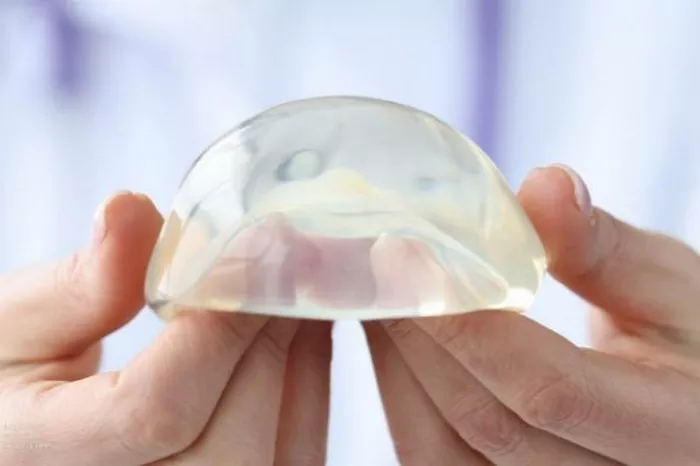
Silicone implants remain the most widely used method in the United States. Many women prefer silicone due to its ability to closely mimic the natural look and feel of breast tissue. However, the procedure carries risks, including silent rupture, capsular contracture (scar tissue formation around the implant), implant movement, and infection. The FDA recommends regular monitoring via MRI or ultrasound to detect complications early.
Flap Surgery
Flap surgery, a more invasive option, uses tissue from another part of the body—commonly the stomach—to reconstruct the breast. While results often appear more natural and last longer, the procedure carries significant risks, including infection, fluid accumulation, tissue death, altered sensation, and poor wound healing. Success requires a highly skilled and communicative surgeon.
The New Solution
In response to these challenges, several UK-based startups are developing innovative technologies that aim to simplify breast reconstruction and reduce associated risks.
Healshape, for example, uses a hydrogel to 3D-print a soft implant designed to be colonized by a patient’s fat cells. The implant biodegrades within six to nine months, eliminating the need for a permanent foreign object.
Lattice Medical is developing a 3D-printed cage made from a degradable biopolymer. A small flap of tissue from under the breast grows to fill the cage with fat cells, while the cage itself is absorbed by the body, leaving a fully regenerated breast. Earlier trials in 2016 demonstrated feasibility in humans, although results were limited and the cages used were not biodegradable.
The Risk
Despite the promise of these new procedures, questions remain about long-term outcomes, particularly regarding sensation. Early studies suggest that although these biodegradable implants restore breast volume, some patients may experience reduced tactile sensation compared to traditional mastectomy alone.
As these technologies continue to advance, they could transform breast reconstruction, offering women a safer and less invasive alternative.
