
Hair loss has evolved from a purely cosmetic issue into a matter that significantly affects confidence, self-image, and emotional well-being. Driven by genetics, hormonal changes, medical conditions, and lifestyle factors, thinning hair and baldness can be distressing for both men and women. As a result, hair transplant procedures have emerged as one of the most effective and long-term solutions for restoring natural hair growth and rebuilding self-confidence.
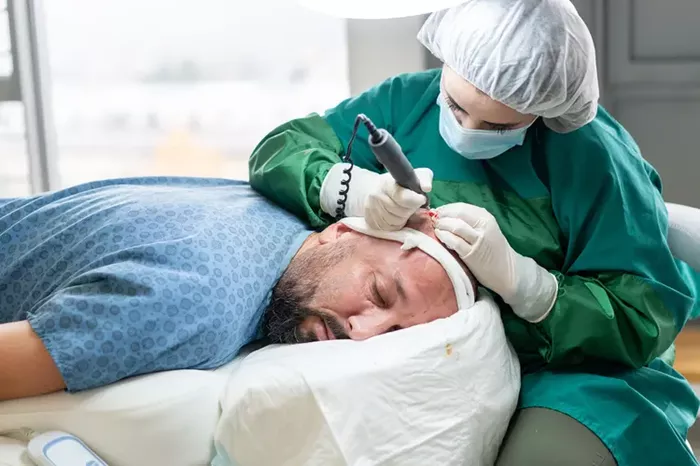
A hair transplant is a surgical procedure in which healthy hair follicles are harvested from donor areas—typically the back or sides of the scalp—and implanted into regions affected by thinning or baldness. These donor follicles are naturally resistant to hair loss, making the results permanent in most cases. Unlike temporary options such as wigs, topical sprays, or medications, hair transplants offer a natural-looking and lasting solution.
The global hair transplant market reflects this growing demand. Valued at USD 5.55 billion in 2024, the market is projected to expand from USD 6.29 billion in 2025 to USD 21.96 billion by 2035. This growth represents a strong compound annual growth rate (CAGR) of 13.3% over the forecast period from 2025 to 2035, fueled by rising awareness, technological advancements, and an increasing emphasis on personal grooming and aesthetics worldwide.
One of the key advantages of modern hair transplant procedures is their ability to deliver natural-looking results. Transplanted hair grows like normal hair and can be cut, styled, and washed without special care. Advances in surgical techniques allow physicians to place individual follicles with precision, ensuring the hairline, direction, and density blend seamlessly with existing hair.
Currently, two primary techniques dominate the industry: Follicular Unit Transplantation (FUT) and Follicular Unit Extraction (FUE). FUT involves removing a thin strip of scalp from the donor area and extracting follicles from it, while FUE removes individual follicles directly from the scalp. Both methods are considered safe and effective when performed by skilled professionals. FUE has gained particular popularity due to minimal scarring and shorter recovery times.
Most hair transplant procedures are completed in a single day under local anesthesia, ensuring patient comfort throughout the process. While mild swelling or redness may occur post-procedure, these effects typically subside within a few days. Patients can generally resume normal activities within a week.
Hair growth following a transplant is gradual. Transplanted hair may initially shed, a normal part of the process. New growth usually begins within three to four months, with noticeable improvement around six months. Full results typically appear between nine and twelve months as the hair thickens and matures.
Hair transplants are suitable for both men and women. Men often seek treatment for receding hairlines, crown thinning, or bald patches, while women commonly address thinning along the part line or overall loss of density. With proper evaluation, surgeons can design customized treatment plans tailored to individual needs and expectations.
Beyond physical appearance, successful hair restoration can deliver significant psychological benefits. Many patients report increased self-esteem, greater confidence in professional and social settings, and an overall improvement in quality of life.
Experts emphasize the importance of selecting a qualified and experienced surgeon. A thorough consultation is essential to assess hair loss patterns, donor hair availability, and realistic outcomes. Clear communication and informed expectations remain critical to achieving satisfactory, long-term results.
