
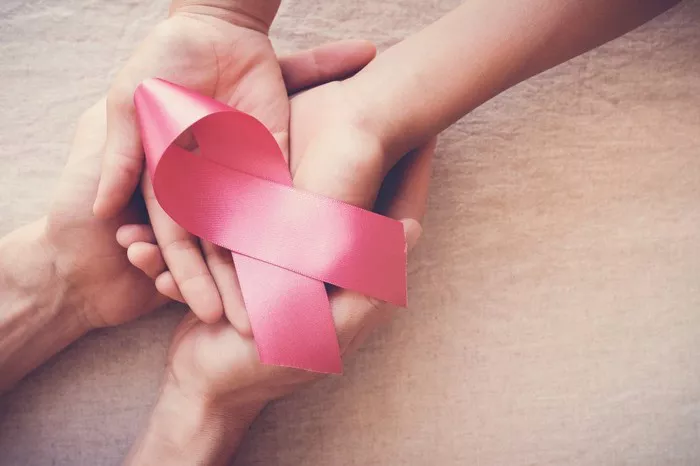
“Either fight or give up.”
For Columbus resident Angelica Ouk, that choice came unexpectedly when she was diagnosed with triple negative breast cancer at age 29, shortly after giving birth to her second child.
“I have two young boys,” Ouk said. “Giving up is not an option.” With the support of her dedicated healthcare team at Mount Carmel Grove City, she has chosen to fight.
Her cancer journey began with a subtle warning. While pumping at work, Ouk noticed a discoloration on her left breast. Concerned, she consulted her primary care provider, Casey Scurlock, APRN, who referred her to Mount Carmel breast specialist Dr. Callie McAdams. Prompt imaging revealed four suspicious spots on her right breast. Biopsies confirmed the diagnosis: cancer. Thankfully, it had been caught before spreading.
Interestingly, the initial discoloration that raised her alarm was unrelated to the cancer—it was simply a harmless change in skin color. “The discoloration got my attention,” Ouk recalled. “When we eventually found a lump, it felt like divine intervention.”
Ouk’s treatment plan has been comprehensive, involving neoadjuvant chemotherapy, surgery, and radiation. With guidance from Dr. McAdams and her medical oncologist, Ouk explored her surgical options. Though she considered a double mastectomy, her doctors recommended an oncoplastic reduction—a lumpectomy combined with a breast reduction. This approach preserves her breasts while maximizing the chances of negative margins and reducing recurrence risk.
“Who knew breast cancer was the best way to get a free breast reduction,” she joked.
Currently undergoing chemotherapy while awaiting her late-October surgery, Ouk praises the compassionate care she’s received. “Everyone has been so kind, patient, and knowledgeable,” she said. “From my doctors to Heidi, my chemotherapy nurse, and Tiffany, my dietician, they’ve all been amazing. I’m so thankful for my entire Mount Carmel care team.”
Ouk reflects on the unexpected positives that have come from her diagnosis. “I believe there are blessings that come out of difficult things in life. Cancer has actually made parts of my life better. I’ve overcome a lot because of it.”
Her fight is ongoing. After surgery, she will undergo radiation to ensure the best possible chance at survivorship. Surrounded by her family, friends, and medical team, Ouk remains resolute: giving up is not an option.
Breast cancer remains the second most common cancer and the second-leading cause of cancer death among women in the United States, according to the Centers for Disease Control and Prevention (CDC). Early detection, like in Ouk’s case, dramatically improves survival rates.
“Mammograms are the best way to find early-stage breast cancer, when it’s most treatable and before tumors are large enough to feel or cause symptoms,” said Dr. McAdams. She emphasized that most breast cancers are diagnosed at a localized stage, and combined with advancements in treatment, survival rates continue to improve.
The CDC recommends women of average risk begin regular mammograms at age 40, while the U.S. Preventive Services Task Force advises women aged 40 to 74 receive mammograms every two years. Ouk’s story underscores the life-saving power of vigilance and early detection.
