
Absci Corporation (NASDAQ: ABSI), a clinical-stage biopharmaceutical company leveraging generative AI to develop next-generation therapeutics, today revealed new preclinical data highlighting the hair regrowth potential of ABS-201, an AI-designed antibody targeting the prolactin receptor (PRLR).
Using human ex vivo scalp models, the data demonstrate that ABS-201 stimulates hair growth by regenerating the hair follicle stem cell niche and enhancing key growth signaling pathways. The findings will be shared during Absci’s ABS-201 KOL seminar, with interested participants able to attend virtually.
“Current treatments for androgenetic alopecia (AGA) largely fail to address the root causes, including the impaired ability of hair follicle stem cells to generate progenitor cells and the role of hormones beyond androgens,” said Professor Ralf Paus, M.D., D.Sc., F.R.S.B., Research Professor of Dermatology and Cutaneous Surgery at the University of Miami Miller School of Medicine. “Our study provides the first evidence that targeting prolactin signaling with ABS-201 could transform future AGA management.”
Key Preclinical Findings
ABS-201 was tested in organ-cultured, full-thickness scalp skin from male donors, a model considered predictive of clinical outcomes. The antibody significantly inhibited the PRLR signaling pathway (STAT5 phosphorylation), which correlated with:
- Prolonged Anagen Phase & Enhanced Growth Signals: ABS-201 blocked transition to the catagen phase, increased proliferation of hair matrix keratinocytes, and stimulated production of hair growth-promoting factors IGF1 and FGF7.
- Stem Cell Niche Preservation & Expansion: The antibody protected K15+ stem cells from prolactin-induced apoptosis while boosting their proliferation and ability to generate CD34+ progeny, a hallmark of healthy hair follicles.
- Follicle Reconversion Potential: Combined effects on anagen prolongation, keratin stimulation, and stem cell support suggest ABS-201 may convert miniaturized vellus hairs into full terminal follicles, a mechanism distinct from current therapies.
- Activity in Endogenous Settings: ABS-201 promoted growth even without exogenous prolactin, indicating it could be effective in patients with active PRLR signaling driven by local or systemic factors.
“ABS-201 protects and expands the hair follicle stem and progenitor cell pool, prolongs the growth phase, and stimulates key growth factors,” added Professor Paus. “Together, these effects may reduce hair loss and enable reconversion of miniaturized hairs to terminal follicles in AGA patients.”
About ABS-201 and Androgenetic Alopecia
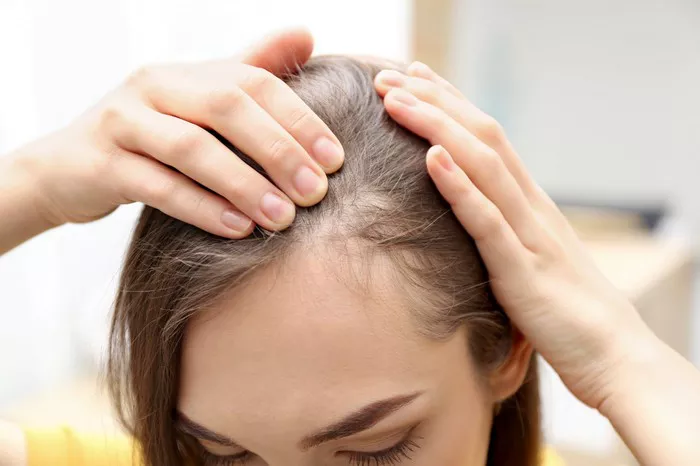
AGA, or pattern hair loss, affects approximately 80 million Americans, causing crown balding and receding hairlines in men, and progressive thinning in women. Current FDA-approved treatments, minoxidil and finasteride, provide limited results and carry notable side effects.
ABS-201 offers a novel, prolactin-targeted approach to hair follicle regeneration, showing superior preclinical hair regrowth compared to minoxidil in animal models. Absci expects interim data from its Phase 1/2a HEADLINETM trial in the second half of 2026.
About Absci Corporation
Absci integrates AI-driven generative design with synthetic biology to accelerate biologic drug discovery. Its Integrated Drug Creation™ platform combines AI models and lab validation to rapidly design innovative therapeutics, including ABS-201, which is also being investigated for endometriosis. The company operates from Vancouver, WA, with an AI research lab in New York City and an innovation center in Switzerland.
